The Complete Guide to Dryer Vent Cleaning: Everything You Need to Know

The Complete Guide to Dryer Vent Cleaning: Everything You Need to Know for Safety, Efficiency, and Cost Savings
Dryer vent cleaning is a crucial yet often overlooked aspect of home maintenance that can significantly impact fire safety and energy efficiency. Annually, clothes dryers are responsible for thousands of residential fires, with the U.S. Consumer Product Safety Commission (CPSC) reporting over 15,000 dryer-related fires each year, making proper vent maintenance a critical safety measure. This comprehensive guide will delve into the importance of dryer vent cleaning, the signs of a clogged vent, and the benefits of professional services. Many homeowners are unaware that neglecting this essential task can lead to dangerous situations, including fire hazards and increased energy bills. By understanding the mechanisms behind dryer vent cleaning, you can ensure a safer and more efficient home environment. This article will cover the critical reasons for dryer vent cleaning, how to recognize signs of a clogged vent, recommended cleaning frequencies, the pros and cons of DIY versus professional cleaning, the cleaning process at Kealey’s Duct and Dryer Cleaning Service, and the costs and benefits associated with professional services.
Why Is Dryer Vent Cleaning Essential for Fire Safety and Energy Efficiency?
Dryer vent cleaning is essential for maintaining fire safety and energy efficiency in your home. Clogged dryer vents can lead to dangerous situations, including dryer fires. According to the National Fire Protection Association (NFPA), a leading authority on fire safety, clothes dryers were involved in an estimated 13,820 home fires in 2020, resulting in 20 fatalities, 340 injuries, and $232 million in direct property damage. The vast majority of these fires are caused by lint accumulation. When lint builds up in the vent, it restricts airflow, causing the dryer to overheat and potentially ignite. Regular cleaning not only reduces this risk but also enhances energy efficiency by allowing the dryer to operate more effectively, ultimately lowering utility bills.
What Causes Dryer Fires and How Does Lint Accumulation Increase Risk?
Dryer fires are primarily caused by lint buildup, which can block the vent and trap heat. The U.S. Fire Administration (USFA) consistently identifies failure to clean dryer vents as the leading cause of home clothes dryer fires, accounting for approximately one-third of all incidents. When lint accumulates, it creates a highly flammable environment that can ignite from the heat generated during the drying process, often at temperatures as low as 375-400°F. Statistics show that thousands of dryer fires occur each year, emphasizing the importance of regular maintenance to prevent such hazards.
Further emphasizing the danger, research highlights how even a small amount of accumulated lint can significantly contribute to fire risk and spread. the hidden truth about air ducts and dryer vents in massachusetts homes
Dryer Lint: Fire Risk & Spread
Accumulated lint in a clothes dryer creates a risk of fire. Even though the lint provides a relatively small fuel load it can spread fire.
Forensic Engineering Investigations of Residential Clothes Dryer Fires., 2018
How Does a Clean Dryer Vent Improve Energy Efficiency and Reduce Utility Bills?
A clean dryer vent significantly improves energy efficiency by allowing the dryer to function optimally. When airflow is unrestricted, the dryer can dry clothes more quickly, reducing the time and energy required for each load. Homeowners often notice a significant decrease in their utility bills after having their dryer vents cleaned. The U.S. Department of Energy estimates that a clogged dryer vent can increase drying time by up to 50%, leading to substantially higher energy consumption. By allowing the appliance to operate efficiently, a clean vent reduces the time and energy required for each load, translating directly into cost savings and extending the lifespan of the dryer. Energy experts often highlight that maintaining clear dryer vents is one of the simplest ways to reduce household energy consumption.
What Are the Common Signs of a Clogged Dryer Vent?
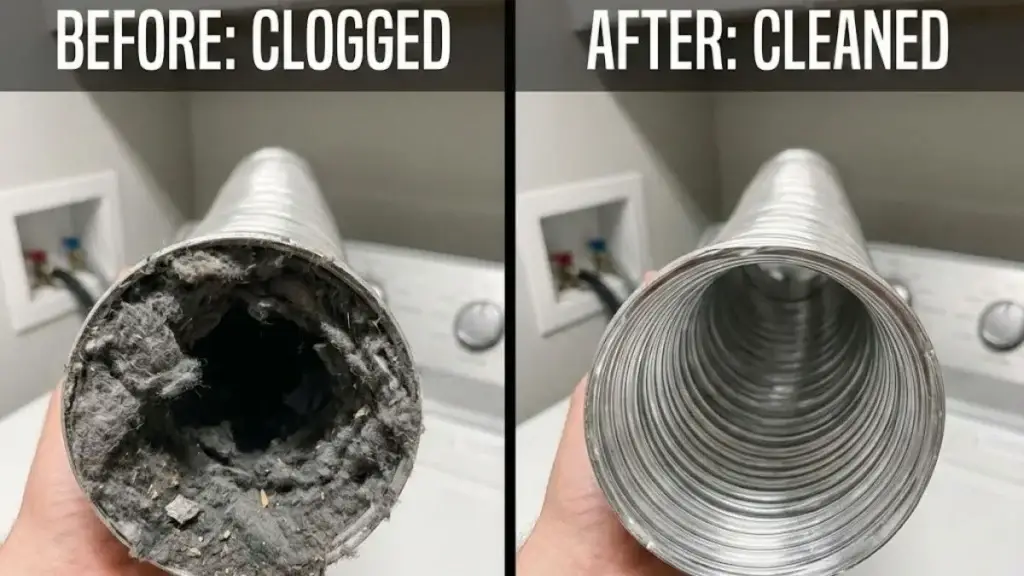
Recognizing the signs of a clogged dryer vent is crucial for maintaining safety and efficiency. Appliance manufacturers and safety experts advise homeowners to be vigilant for several indicators that may suggest a blockage.
- Longer Drying Times: If clothes take longer than usual to dry, it may indicate that the vent is clogged, forcing the dryer to work harder.
- Burning Smells: A burning smell during operation can signal overheating due to restricted airflow, a critical fire hazard warning.
- Excess Lint Buildup: If lint accumulates around the dryer, in the lint trap, or on clothes after drying, it may be time for a thorough cleaning.
- Dryer is Hot to the Touch: An excessively hot dryer exterior or hot clothes after a cycle can indicate that heat is not properly exhausting.
How to Recognize Symptoms Like Longer Drying Times and Burning Smells
To identify these symptoms, homeowners should monitor their dryer’s performance closely. If drying times increase significantly or if unusual smells are detected, it is essential to investigate further. Keeping an eye on the lint trap and surrounding areas for excessive lint can also help in recognizing potential issues early. Prompt action upon noticing these signs can prevent serious safety and efficiency problems.
What Health Issues Can Result from Poor Indoor Air Quality Due to Blocked Vents?
Blocked dryer vents can lead to poor indoor air quality, which may result in various health issues. Accumulated lint and dust can circulate in the air, exacerbating allergies and respiratory problems. Individuals with asthma or other respiratory conditions may experience worsened symptoms due to the presence of these pollutants. Additionally, blocked vents can cause significant moisture buildup within the home, creating an ideal environment for mold and mildew growth. The Environmental Protection Agency (EPA) warns that mold exposure can trigger allergic reactions and respiratory problems, particularly in sensitive individuals. Indoor air quality experts emphasize that regular cleaning of dryer vents not only improves safety but also contributes significantly to a healthier living environment by preventing these indoor air quality issues.
How Often Should You Clean Your Dryer Vent for Optimal Performance?
Industry experts, including major appliance manufacturers and fire safety professionals, generally recommend cleaning your dryer vent at least once a year for optimal performance and safety. However, this frequency can vary based on several factors, including usage patterns and the type of dryer.
What Factors Influence Dryer Vent Cleaning Frequency?
- Usage Frequency: Homes with heavy dryer use (e.g., large families, multiple loads per day) may require more frequent cleanings, potentially every 6-9 months.
- Presence of Pets: Households with pets may experience more lint buildup due to pet hair, necessitating more frequent service.
- Type of Dryer: Different dryer models and vent configurations (e.g., longer, more convoluted vents) may accumulate lint faster, affecting cleaning needs.
- Age of Dryer: Older dryers may be less efficient at trapping lint, leading to faster vent accumulation.
What Are Expert Recommendations for Residential and Commercial Cleaning Schedules?
Building on manufacturer guidelines and safety standards, experts recommend that residential dryer vents be cleaned at least once a year. For commercial properties, such as laundromats, hotels, or multi-unit residential buildings, where dryers experience heavy, continuous use, quarterly cleanings or even more frequent service (e.g., every 2-3 months) may be necessary to comply with safety regulations and maintain efficiency. Consulting with a professional service can help determine the best schedule for your specific needs, ensuring compliance and peak performance.
DIY vs. Professional Dryer Vent Cleaning: What Are the Risks and Benefits?
When it comes to dryer vent cleaning, homeowners often face the choice between DIY methods and hiring professionals. Each approach has its own set of advantages and disadvantages, with safety organizations often advising caution for DIY efforts.
What Are the Limitations and Dangers of DIY Dryer Vent Cleaning?
While DIY cleaning can save money, it often lacks the thoroughness and specialized equipment of professional services. Homeowners may not have access to the industrial-grade vacuums, rotary brushes, and diagnostic tools required to effectively remove deeply lodged lint and debris. The CPSC and other safety bodies caution that improper cleaning techniques can lead to vent damage, disconnections, or incomplete cleaning, leaving behind hazardous lint buildup and a false sense of security, which can still pose a significant fire risk. Furthermore, attempting to clean complex or inaccessible vent systems without proper training can be dangerous.
How Does Professional Cleaning Ensure Thoroughness and Fire Prevention?
Professional dryer vent cleaning services, such as those offered by Kealey’s Duct and Dryer Cleaning Service, utilize specialized, high-powered equipment and advanced techniques to ensure a comprehensive and safe cleaning. Certified technicians are trained to identify and address not only lint blockages but also potential structural issues, vent disconnections, or pest infestations that homeowners may overlook. By investing in professional cleaning, homeowners can significantly reduce the risk of dryer fires, improve the overall efficiency and lifespan of their appliances, and ensure adherence to safety standards. Professionals also provide peace of mind, knowing the job is done correctly and safely.
What Is the Professional Dryer Vent Cleaning Process at Kealey's?
Kealey’s Duct and Dryer Cleaning Service follows a meticulous three-step cleaning process, developed to meet industry best practices, to ensure optimal results for their clients.
What Are the Steps in Kealey's Three-Step Cleaning Process?
- Inspection: The process begins with a thorough inspection of the entire dryer vent system, from the dryer connection to the exterior exhaust, to identify any blockages, damage, or potential issues. This often involves specialized cameras for internal viewing.
- Cleaning: Using specialized, high-powered rotary brushes and industrial-grade vacuums, technicians meticulously remove lint, debris, and any obstructions from the entire length of the vent, ensuring maximum airflow.
- Final Check: After cleaning, a final inspection is conducted, often including airflow measurements, to confirm that the system is functioning correctly, safely, and efficiently, meeting optimal performance standards.
How Do Before and After Visuals Demonstrate Cleaning Effectiveness?
Kealey’s provides visual proof of their cleaning effectiveness through before and after photos or video footage. These images showcase the significant difference in cleanliness and airflow, giving clients peace of mind about the quality of service they receive. This transparency builds trust and highlights the importance of regular maintenance, demonstrating the tangible results of professional intervention.
What Are the Costs and Benefits of Professional Dryer Vent Cleaning?
Understanding the costs associated with professional dryer vent cleaning can help homeowners make informed decisions about their maintenance needs, recognizing it as a valuable investment rather than just an expense.
What Factors Affect Dryer Vent Cleaning Costs for Homeowners and Businesses?
Several factors can influence the cost of professional dryer vent cleaning, including:
- Length and Complexity of the Vent System: Longer or more convoluted vent systems (e.g., those with multiple turns or extending through walls/ceilings) require more time and specialized equipment, increasing costs.
- Frequency of Service: Regular, preventative maintenance may be more cost-effective in the long run than infrequent, extensive cleanings of severely clogged vents.
- Accessibility: Vents that are difficult to access (e.g., on a roof, in a tight crawl space) may require additional labor and specialized equipment, increasing the overall cost.
- Degree of Clogging: Severely neglected vents with heavy lint buildup or pest infestations will naturally require more intensive cleaning.
How Do Benefits Like Fire Prevention, Energy Savings, and Health Improvements Justify the Investment?
Investing in professional dryer vent cleaning offers numerous benefits that far outweigh the costs. Regular cleaning can prevent dangerous fires, a risk emphasized by fire safety organizations, and significantly improve energy efficiency, leading to substantial savings on utility bills. Furthermore, it enhances indoor air quality, reducing the risk of health issues related to poor air quality, as highlighted by environmental health experts. The peace of mind that comes with knowing your home is safe and efficient, coupled with extended appliance lifespan and reduced repair costs, makes professional cleaning a worthwhile and essential investment for any homeowner or business.
| Service Aspect | Primary Benefit | Long-Term Value |
|---|---|---|
| Professional Cleaning | Reduces fire risk significantly | High (Protects lives and property) |
| Regular Maintenance | Lowers energy bills & extends dryer lifespan | Medium-High (Financial savings & appliance longevity) |
| Health Improvement | Enhances indoor air quality & reduces allergens | High (Better respiratory health & comfort) |
| Expert Inspection | Identifies potential structural issues or pest infestations | Medium (Prevents costly future repairs) |
This table illustrates the significant benefits of professional dryer vent cleaning services, highlighting the comprehensive value they provide to homeowners and businesses alike, reinforcing why experts consider it a critical home maintenance task.