
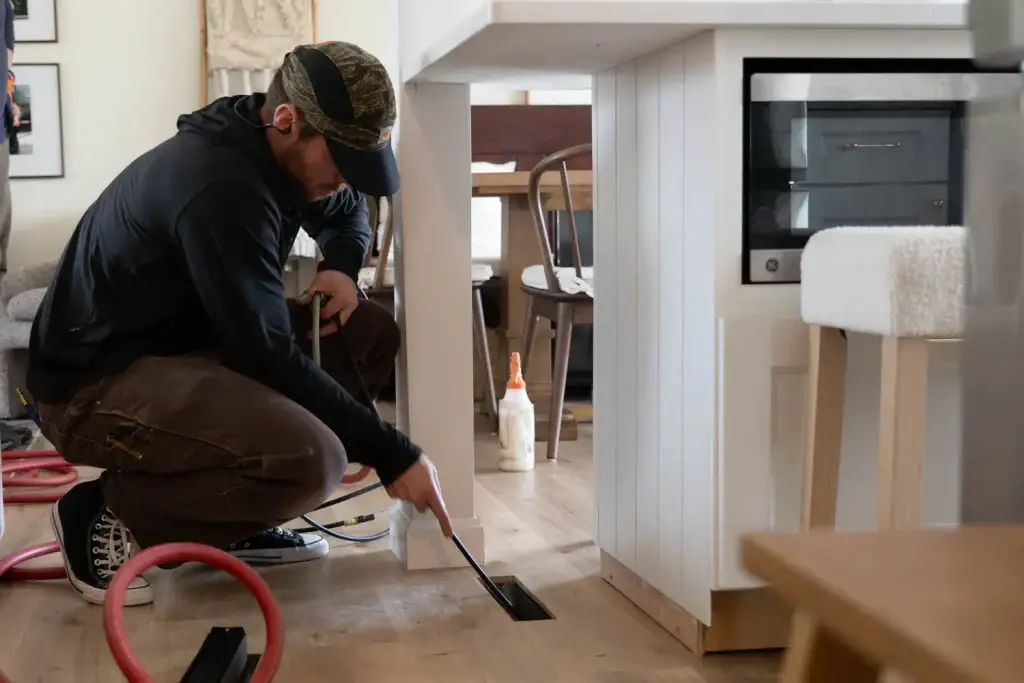
Moving Into a New Home? Why Air Duct and Dryer Vent Cleaning Should Be on Your Checklist
By Kealey’s Duct and Dryer Cleaning · July 2026
You did the inspection. You negotiated the price. You signed the papers. And now you are standing in someone else’s house, trying to make it yours.
The floors get cleaned. The walls get painted. The kitchen cabinets get wiped down. But behind those walls, running through the attic, the basement, and the spaces between floors, sits a duct system that has been circulating someone else’s air for years. Dust, pet dander, pollen, cooking residue, and whatever else the previous owners lived with is still sitting inside that ductwork. The moment you turn on the heat or AC, all of it starts circulating through your rooms.
The dryer vent tells a similar story. You have no idea how often the previous owner cleaned it, how much lint is packed inside the run, or whether the vent even exhausts properly. That is a fire hazard with no visible warning sign.
Both systems deserve attention before the moving truck pulls away. Here is how to think through the decision.
What Are You Actually Inheriting in a Used Home's Ductwork?
Every home’s duct system holds a record of how the previous occupants lived. Pets leave dander and hair that embeds in duct walls over years of circulation. Smokers leave residue. Homeowners who skipped filter changes for long stretches allowed dust and debris to accumulate deep in the supply and return lines where no surface cleaning can reach.
None of this shows up during a walkthrough. You cannot see inside ductwork from a supply register, and home inspectors do not typically scope duct interiors. So the contamination stays hidden until the HVAC system starts running and pushes it back into the living space.
For households where anyone has allergies, asthma, or respiratory sensitivity, the stakes are higher. Circulating a previous owner’s accumulated dust and dander through your family’s bedrooms is not a theoretical concern. It is a measurable one. The health benefits of cleaner air ducts show up quickly once the debris is removed, especially for people who were already reactive.
The EPA treats air duct cleaning as an as-needed service rather than a calendar-based routine. Moving into a home with unknown maintenance history is exactly the kind of situation that qualifies as “needed.”
Do Brand-New Homes Need Duct Cleaning Too?
New construction is not automatically clean. Ductwork often sits in a warehouse or on a job site for months before installation, collecting dust before it ever connects to an air handler. Once installed, the ducts sit open while contractors sand drywall, cut trim, paint walls, and sweep debris. Fine particulate from all of that work settles inside the system.
By the time the builder hands over the keys, the ductwork has been collecting construction dust for the entire build cycle. The first time the HVAC system runs, that dust circulates through every room in the house.
Builders rarely include duct cleaning in their punch list. Most homeowners assume new means clean. It does not.
What About the Dryer Vent?
In a previously owned home, the dryer vent carries an unknown history. You do not know whether the previous owner cleaned it annually, every five years, or never. You do not know the length of the vent run, whether it has multiple bends that trap lint, or whether it exhausts through the roof or the side wall.
What you do know is that lint buildup is the leading cause of home dryer fires. And the accumulation does not happen only in the vent pipe. Much of the lint that causes fires collects inside the dryer cabinet itself, in spaces no homeowner can see or reach without disassembly. A clogged vent makes the problem worse by restricting the airflow that would otherwise carry heat and moisture safely outside.
Dryer vent cleaning on a newly purchased home eliminates that unknown variable entirely. You start with a clean baseline and a known maintenance date going forward.
For ongoing scheduling after the initial cleaning, how often to clean your air ducts depends on the household. Homes with pets, heavy laundry use, or long vent runs need attention more frequently than a two-person household with a short, straight exhaust path.
When Should You Schedule Cleaning Around the Move?
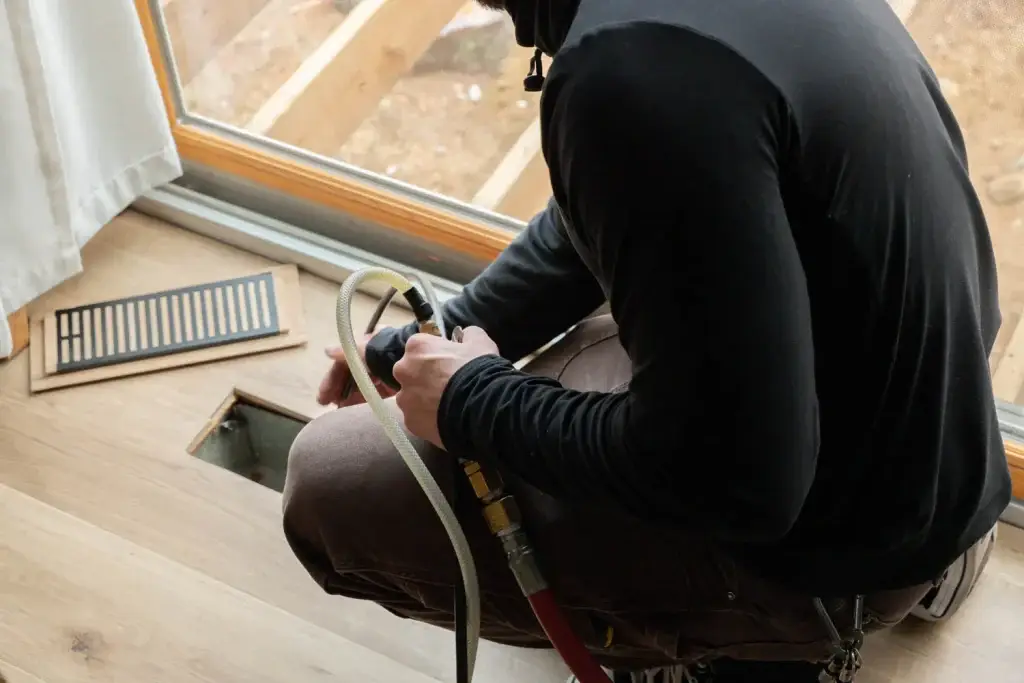
The strongest timing is after closing but before furniture arrives. Empty rooms give technicians full access to every supply and return register without moving beds, dressers, or shelving. The dryer vent is easier to service when nothing is stacked around the laundry area.
If that window does not work, the next best option is within the first few weeks after move-in. The goal is to clean the system before the HVAC has run long enough to push accumulated debris into every room. Waiting months allows whatever the previous owners left behind to recirculate with every heating or cooling cycle.
For homeowners buying in Salisbury, Amesbury, or Newburyport, coastal humidity adds another factor. Salt air and moisture accelerate dust adhesion inside ductwork, which means homes near the coast tend to accumulate more buildup than inland properties over the same timeframe.
How Do You Avoid Hiring the Wrong Company?
The duct cleaning industry has a well-documented reputation problem. Some operators advertise prices so low they could not possibly cover a thorough job, then upsell aggressively once a technician is inside your home. Others rush through a house in 30 minutes and call it done. New homeowners, already stretched thin on time and budget, are a common target.
A few questions protect you before you book:
Who actually performs the work? Is it the same crew every time, or rotating subcontractors you have never met? Is the price quoted before the crew arrives, or does the number change once someone is in your house? Does the company document results with photos, or just tell you the job is finished?
Kealey’s Duct and Dryer Cleaning has served homeowners across North Shore MA, Seacoast NH, and southern coastal Maine since 1993. Brian Kealey, a mechanical engineer by training, and his son Keenan handle every job themselves with truck-mounted equipment. Two people, every time, with the same process and the same standards. That consistency is part of how the company has maintained a 5.0 Google rating across 100+ verified reviews.
Every job includes an upfront price before the crew arrives, before-and-after photo documentation of the duct and vent interiors, and a no-mess setup that protects your floors and finishes. The number on the quote is the number on the invoice. No surprises, no add-ons, no pressure.
If you are buying a home in the North Shore, Seacoast, or southern Maine area and want the ductwork and dryer vent handled before move-in day, call (978) 961-4513 for a same-day quote.
Prioritizing Air Duct and Dryer Vent Cleaning Before You Move
Why should I clean the air ducts when buying a previously owned home?
The previous occupants’ dust, pet dander, pollen, and cooking residue have been circulating through the same duct system for years. Turning on the HVAC pushes all of that into your rooms. Cleaning the ducts before or shortly after move-in removes the previous owner’s accumulated debris so your family starts with clean air.
Do newly built homes need duct cleaning?
Yes. Ductwork collects dust during warehouse storage and gathers drywall dust, sawdust, and construction debris throughout the build cycle. Builders rarely include duct cleaning in their punch list, so the first time the system runs, it circulates construction particulate through every room.
When is the best time to schedule cleaning around a move?
After closing but before furniture arrives gives technicians full access to every register and the laundry area. If that window does not work, schedule within the first few weeks of move-in, before the HVAC has run long enough to push accumulated debris through the entire house.