Dryer Vent Fires: The Complete Homeowner's Prevention Guide
Dryer Vent Fires Prevention Guide: Essential Dryer Vent Cleaning Services for Homeowners
Dryer vent fires pose a significant risk to homeowners, often stemming from the accumulation of lint and debris within the venting system. This comprehensive guide aims to educate homeowners on the causes of dryer vent fires, the critical importance of regular maintenance, and effective prevention strategies backed by industry standards and scientific research. By understanding the mechanisms behind these fires, homeowners can take proactive steps to enhance their home safety and comply with best practices recommended by fire safety authorities. This article will cover the causes of dryer vent fires, signs of a clogged vent, the benefits of professional cleaning services, essential maintenance practices, and relevant safety regulations.
What Causes Dryer Vent Fires and How Does Lint Buildup Increase Risk?
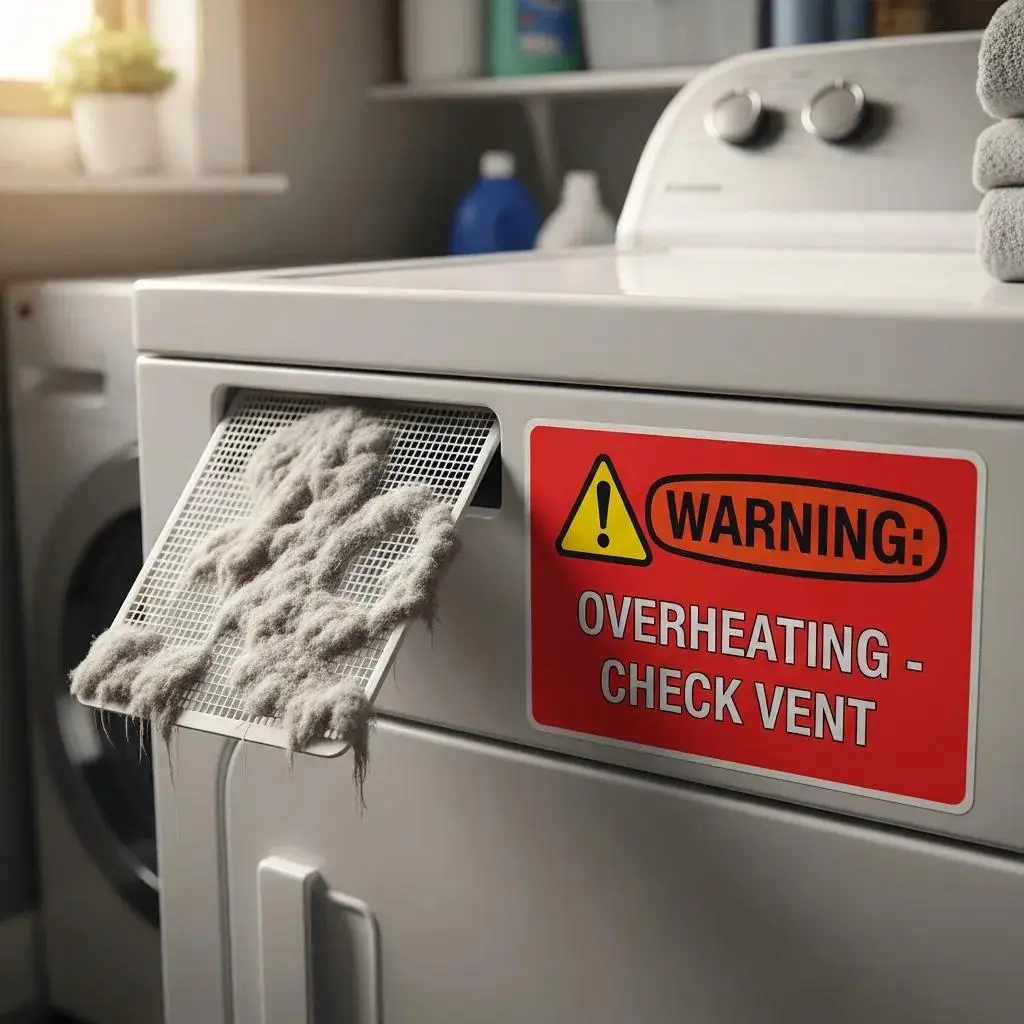
Dryer vent fires are primarily caused by lint buildup, which restricts airflow and leads to overheating. When lint accumulates in the venting system, it creates a highly combustible environment. The heat generated by the dryer can ignite this lint, resulting in a fire that can quickly spread throughout the home. Understanding this mechanism is crucial for homeowners to recognize the importance of regular dryer vent maintenance in preventing such hazards. According to the U.S. Fire Administration, failure to clean dryer vents is a leading cause of residential fires related to clothes dryers.
This risk is further underscored by research highlighting how even a small amount of accumulated lint can serve as a significant fuel source for residential fires.
Residential Dryer Fire Risks: Lint Accumulation
Accumulated lint in a clothes dryer creates a risk of fire. Even though the lint provides a relatively small fuel load it can spread fire to Forensic Engineering Investigations of Residential Clothes Dryer Fires., 2018
How Does Lint Accumulation Lead to Dryer Vent Blockage and Fire Hazards?
Lint accumulation leads to dryer vent blockage by obstructing the airflow necessary for safe dryer operation. As lint builds up, it restricts the venting system, causing the dryer to overheat. This overheating can ignite the lint, creating a fire hazard. Regular maintenance is essential to ensure that the venting system remains clear and functional, significantly reducing the risk of fire. The National Fire Protection Association (NFPA) recommends annual inspection and cleaning of dryer vents to mitigate these risks.
Further scientific investigation into the properties of dryer lint reveals its inherent flammability and how it reacts under high temperatures, contributing to fire hazards.
Dryer Lint Fire Hazard: Thermal Degradation & Ignition
Lint, which is a normal by-product of the laundering of clothing, is known to introduce a fire hazard and/or contribute to the fuel load in residential fires. Failure analysis of clothes dryers therefore requires an understanding of how dryer lint behaves at elevated temperatures and how the physical condition of lint can be interpreted when testing for potential failure modes. The purpose of this research is to characterize the behavior of dryer lint at elevated temperatures, including its thermal degradation and ignition.
Thermal degradation and ignition characteristics of clothes dryer lint, 2012
What Are the Common Signs of a Clogged Dryer Vent?
Identifying a clogged dryer vent early can prevent potential fire hazards. Homeowners should be aware of the following signs, which are consistent with recommendations from fire safety experts and appliance manufacturers:
- Longer Drying Times: If clothes take longer than usual to dry, it may indicate a blockage in the vent.
- Burning Smells: A burning odor during operation can signal overheating due to lint buildup.
- Excessive Lint Buildup: Finding lint around the dryer or in the venting area is a clear sign of a clog.
Recognizing these signs early can prompt timely action to prevent dryer vent fires and maintain dryer efficiency.
How Can Professional Dryer Vent Cleaning Services Prevent Dryer Fires?
Professional dryer vent cleaning services play a vital role in fire prevention by thoroughly removing lint and debris from the venting system. These services not only reduce fire risks but also enhance the efficiency and lifespan of the dryer. Experts can identify potential issues during inspections, providing homeowners with recommendations for regular maintenance and compliance with safety standards. By investing in professional cleaning, homeowners can ensure their dryer operates safely and efficiently, aligning with guidelines from organizations such as the U.S. Fire Administration and the NFPA.
BK Duct Dryer Cleaning specializes in professional dryer vent cleaning services aimed at preventing dryer vent fires and enhancing home safety. Their expertise ensures that your dryer vent system is clean, safe, and functioning optimally.
What Is the Step-by-Step Process of Professional Dryer Vent Cleaning?
The process of professional dryer vent cleaning typically involves several key steps, following industry best practices:
- Inspection of the Vent System: Technicians assess the entire venting system for blockages, damage, and compliance with safety codes.
- Mechanical Cleaning of Lint and Debris: Specialized tools such as rotary brushes and high-powered vacuums are used to remove lint buildup from the vent thoroughly.
- Performance Verification Post-Cleaning: After cleaning, the system is tested to ensure proper airflow and functionality, often using airflow meters or thermal imaging.
This thorough approach ensures that the dryer vent is safe and efficient, significantly reducing the risk of fire and improving dryer performance.
What Are the Benefits of Hiring Experts for Dryer Vent Inspection and Cleaning?
Hiring experts for dryer vent inspection and cleaning offers several advantages supported by fire safety and energy efficiency research:
- Fire Prevention: Thorough cleaning reduces the risk of fires caused by lint buildup, a leading cause of residential dryer fires.
- Energy Savings: A clean vent allows the dryer to operate more efficiently, leading to lower energy consumption and reduced utility bills.
- Health Improvements: Regular cleaning can enhance indoor air quality by reducing dust, allergens, and mold growth associated with clogged vents.
- Extended Appliance Lifespan: Proper maintenance reduces wear and tear on the dryer, potentially extending its operational life.
These benefits highlight the importance of professional services in maintaining a safe, efficient, and healthy home environment.
What Are the Best Home Dryer Vent Maintenance Practices to Reduce Fire Risk?
Homeowners can adopt several best practices to maintain their dryer vents and reduce fire risk, as recommended by fire safety authorities and appliance manufacturers:
- Regular Professional Cleaning: Schedule cleaning at least once a year to ensure the venting system remains clear and compliant with safety standards.
- Clean the Lint Trap After Each Load: This simple step can significantly reduce lint accumulation and improve dryer efficiency.
- Inspect the Vent System Regularly: Check for any signs of damage, blockage, or improper venting to address issues promptly.
- Use Proper Vent Materials: Ensure vents are made of metal and not plastic or vinyl, which can increase fire risk.
- Ensure Proper Vent Installation: Vents should be as short and straight as possible to facilitate airflow and reduce lint buildup.
Implementing these practices can help maintain a safe and efficient dryer vent system, reducing fire hazards and improving appliance performance.
How Often Should Homeowners Schedule Dryer Vent Cleaning and Inspections?
Homeowners should schedule dryer vent cleaning and inspections at least once a year, especially for regular users. For larger households or those who use their dryers frequently, more frequent inspections may be necessary. Additionally, if any signs of blockage or malfunction appear, immediate inspection and cleaning are advised. Staying proactive about maintenance can prevent potential fire hazards and ensure the dryer operates efficiently, aligning with recommendations from the National Fire Protection Association and the U.S. Fire Administration.
What Fire Prevention Tips Should Homeowners Follow for Dryer Safety?
To enhance dryer safety, homeowners should follow these fire prevention tips, consistent with guidelines from fire safety organizations:
- Clean the Lint Trap Before Each Use: This helps prevent lint buildup and reduces fire risk.
- Check the Exterior Vent Hood Regularly: Ensure it opens freely and is not blocked by debris, birds, or nests.
- Avoid Overloading the Dryer: Overloading can lead to overheating and increased lint production.
- Do Not Use the Dryer Without a Vent: Always ensure the dryer is properly vented to the outside to prevent lint accumulation indoors.
- Keep the Area Around the Dryer Clear: Avoid storing flammable materials near the dryer.
By adhering to these tips, homeowners can significantly reduce the risk of dryer vent fires and maintain a safe laundry environment.
How Do Insurance and Safety Regulations Impact Dryer Vent Fire Prevention?
Insurance policies often include clauses related to fire damage, emphasizing the importance of proper maintenance. Homeowners should be aware of their insurance coverage regarding dryer vent fires and ensure they comply with safety regulations. Regular maintenance and documentation of cleaning services can help in case of claims related to fire damage. Many insurance providers may require proof of regular dryer vent maintenance to validate coverage for fire-related claims.
What Are the Insurance Considerations Related to Dryer Vent Fires?
Which Safety Regulations Should Homeowners Know About Dryer Vent Maintenance?
Insurance considerations for dryer vent fires include coverage for fire damage and the importance of maintenance documentation. Homeowners should keep detailed records of professional cleaning services to demonstrate compliance with safety regulations and maintenance schedules. Preventive measures, such as regular inspections and cleaning, can also influence insurance premiums and coverage options, potentially lowering costs by reducing risk.
Homeowners should be aware of local building codes and regulations regarding dryer vent installation and maintenance. These regulations often recommend or require professional cleaning and routine inspections to ensure safety. For example, the International Residential Code (IRC) and local fire codes provide guidelines on proper vent materials, installation practices, and maintenance intervals. Understanding and adhering to these requirements can help homeowners maintain compliance, reduce the risk of fire hazards, and avoid potential legal or insurance issues.