
Frequently Asked Questions About Dryer Vent and Air Duct Cleaning
Costs, Safety & Maintenance: Your Duct and Dryer Cleaning Guide
Get Your Free QuoteWhether you're researching dryer vent cleaning for the first time or wondering when your air ducts were last serviced, you probably have questions. Below, we've organized the most common questions we hear from homeowners across the seacoast region into four categories. Click any section to jump straight to the answers you need.
What Are the Signs That Your Dryer Vent Needs Cleaning?
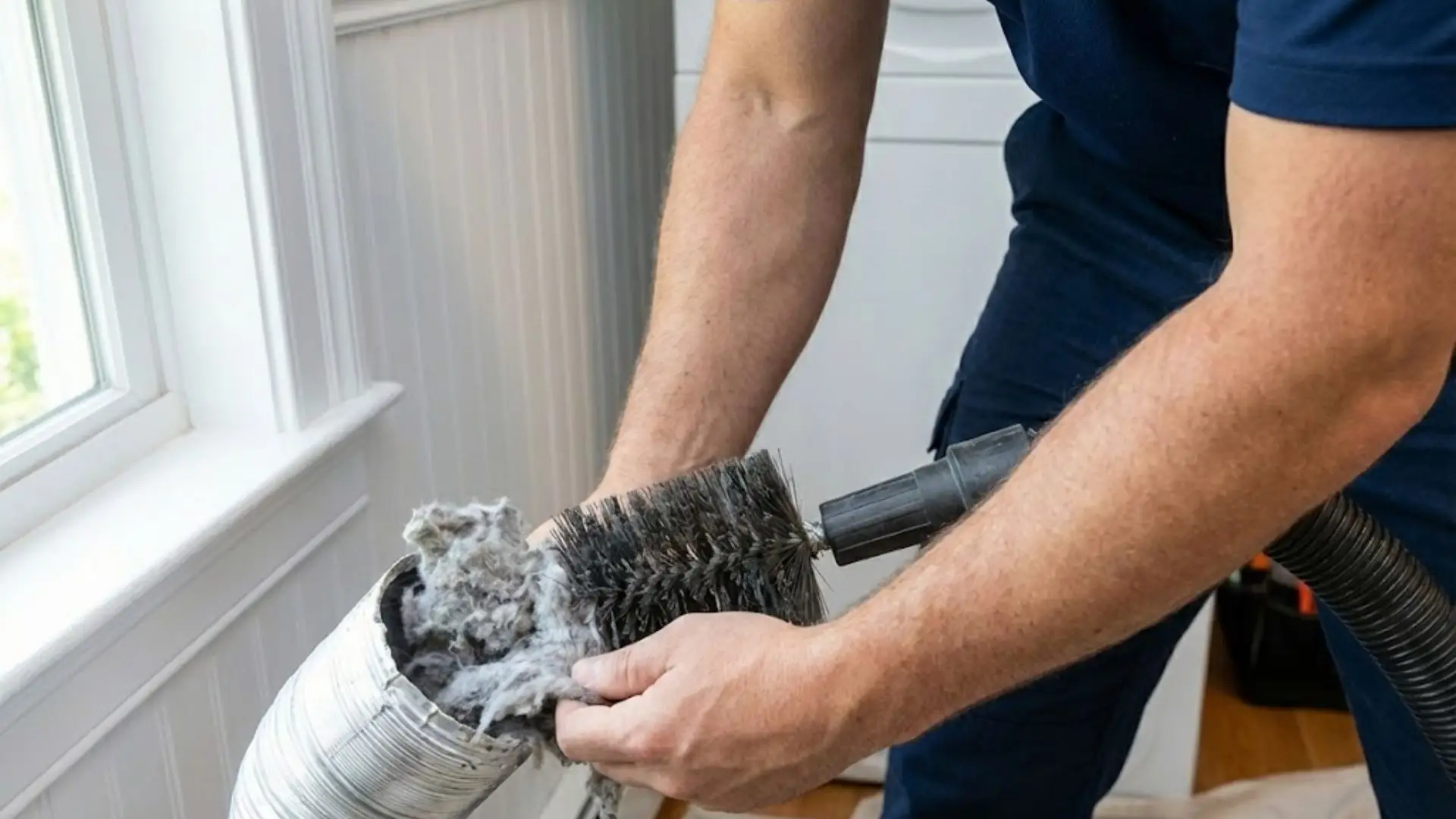
How Does Lint Buildup Affect Dryer Performance and Safety?
Lint is a natural byproduct of drying clothes, and while your lint trap catches a portion of it, a significant amount passes through and accumulates inside your dryer vent line over time. This buildup restricts airflow, forces your dryer to work harder, and creates a serious fire risk. According to the National Fire Protection Association (NFPA), failure to clean dryer vents is the leading contributing factor in home dryer fires.
Extended drying times are the most common sign of a clogged dryer vent. When lint restricts the exhaust airflow, moisture can't escape efficiently, leaving clothes damp after a normal cycle. If you're running two or more cycles to fully dry a load, your vent almost certainly needs professional cleaning. Lint accumulation happens gradually, making it easy to miss until drying performance drops noticeably.
Yes, and it's more common than most homeowners realize. The NFPA reports an estimated 15,970 home fires each year involving dryers and washing machines. Lint is highly flammable, and when it accumulates inside a vent line, the combination of heat and restricted airflow can ignite it. The risk increases with longer or more complex vent runs, which are common in older homes throughout Essex County and the New Hampshire seacoast.
A restricted dryer vent forces your dryer to run longer and work harder with every load. This translates directly to higher electricity or gas bills. Industry data suggests that a clean dryer vent can improve efficiency by 15-25%, which adds up quickly for households doing multiple loads per week. Beyond energy costs, the added strain on your dryer's heating element and motor can shorten the appliance's lifespan.
What Common Indicators Show a Clogged Dryer Vent?
Check the exterior vent hood where your dryer exhausts to the outside of your home. If the flap doesn't open when the dryer is running, lint is visible around the opening, or you see debris blocking the vent, airflow is restricted. You may also notice lint collecting on the wall or ground near the vent exit. These are clear signs it's time to call a professional for dryer vent cleaning.
Absolutely. If the top of your dryer is hot to the touch during operation, or your laundry room feels significantly warmer than normal, that heat is being trapped instead of exhausting outside. This is a safety concern that means your vent needs immediate attention. A burning smell during dryer operation is an even more urgent warning sign, and you should stop using the dryer and call a professional right away.
"I can't recommend Kealey's services enough! They were fast, clean, and reliable. Super nice guys and will definitely use them again!"
How Often Should You Schedule Professional Dryer Vent and Air Duct Cleaning?
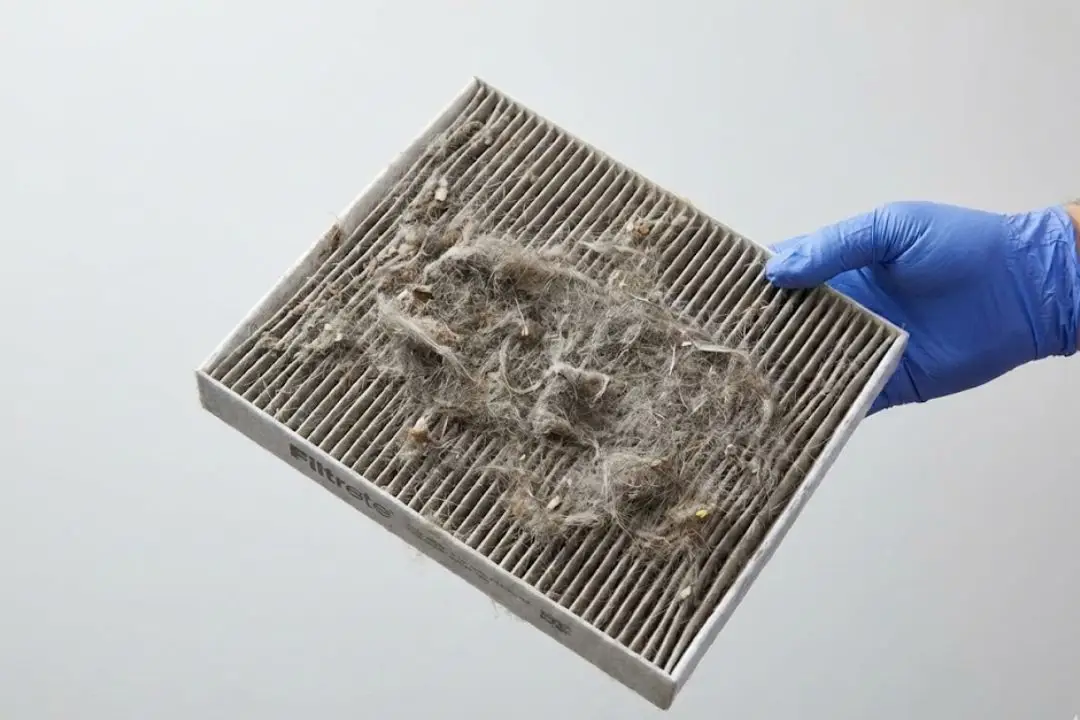
What Factors Influence Cleaning Frequency for Dryer Vents?
The NFPA recommends professional dryer vent cleaning at least once per year as a minimum baseline. However, the right frequency for your home depends on several factors including household size, laundry volume, whether you have pets, and the length and complexity of your vent run. Larger families doing daily loads may benefit from cleaning every six to nine months.
Yes. Pet hair and dander end up in your laundry and contribute significantly to lint buildup in your dryer vent. Homes with dogs or cats, especially breeds that shed heavily, should consider cleaning every six to nine months rather than annually. The same applies to your air duct system, where pet dander circulates through every room each time your HVAC runs.
How Often Should Air Ducts Be Cleaned?
For most homes, professional air duct cleaning every three to five years is a good baseline. You should schedule sooner if you notice visible dust blowing from vents, experience unexplained allergy flare-ups, have recently completed renovations, or have moved into a home where the cleaning history is unknown. Coastal homes in areas like Newburyport, Portsmouth, and Hampton may benefit from more frequent cleaning due to salt air and humidity accelerating buildup.
The data is clear on this. Clean dryer vents eliminate the lint fuel source that causes dryer fires, and clean air ducts allow your HVAC system to operate with less resistance. Homeowners typically see energy savings of 15-25% after a professional dryer vent cleaning, and HVAC systems with clean ductwork run more efficiently and last longer. When you factor in reduced fire risk, lower utility bills, and extended equipment life, regular cleaning pays for itself.
What Are the Typical Costs of Professional Dryer Vent and Air Duct Cleaning?
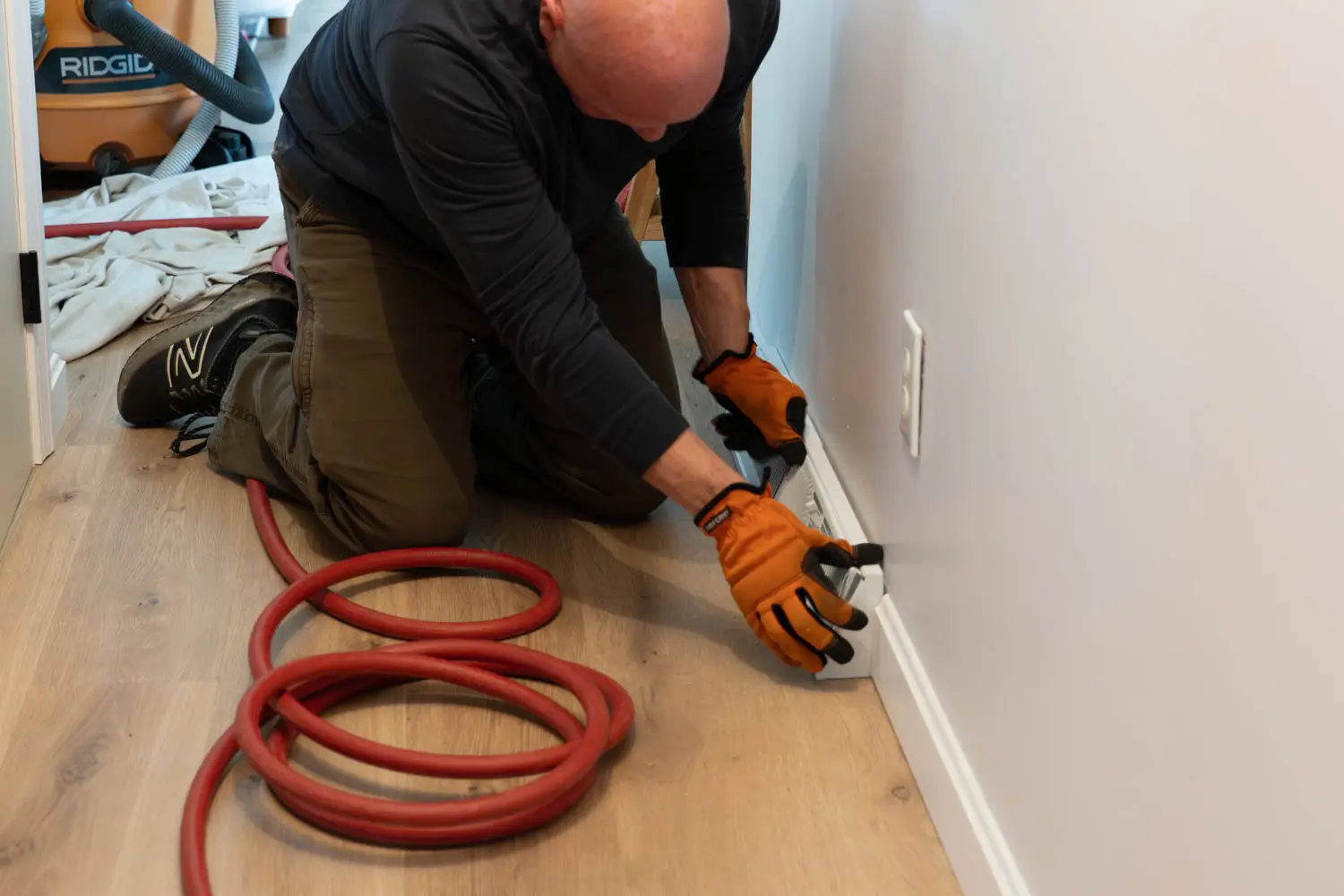
How Do Service Prices Vary Based on Scope and Location?
Dryer vent cleaning costs depend on the length and complexity of your vent run, accessibility, and whether any repairs are needed. At Kealey's, we provide transparent, upfront quotes before any work begins. There are no hidden fees or surprise charges. Contact us for a free estimate specific to your home. Be cautious of companies advertising extremely low prices, as these are often "bait-and-switch" operations that upsell once they're in your home.
The primary factors are the size of your home (number of vents and returns), the type of duct system, accessibility of the ductwork, and its current condition. A 1,500 square foot home with standard ductwork will cost less than a 3,500 square foot home with complex runs through multiple levels. We assess your specific system and provide a clear quote so you know exactly what to expect before we start work.
What Are the Benefits of Professional Cleaning Over DIY?
You can perform basic maintenance like cleaning your lint trap after every load and vacuuming around your dryer. However, for the vent line itself, especially runs that go through walls, ceilings, or travel long distances to the exterior, professional equipment is needed to fully clear compacted lint. DIY kits with brush rods can push lint further into the line or miss bends where buildup is heaviest. Professional cleaning ensures the entire run is clear from dryer to exterior vent hood.
When done properly by a reputable company, yes. The key word is "properly." The duct cleaning industry has companies that charge very little and do almost nothing, which has given the service a mixed reputation. A thorough professional cleaning removes years of accumulated dust, allergens, pet dander, and debris that your HVAC filter can't capture. We provide before-and-after photos on every job so you can see exactly what was in your ducts.
"The guys came out and went above and beyond making sure our dryer was up and running. Trustworthy, well priced, and quality work. Will be my go to maintenance company for our dryer vents."
How Does Dryer Vent Cleaning Prevent Fires and Enhance Home Safety?
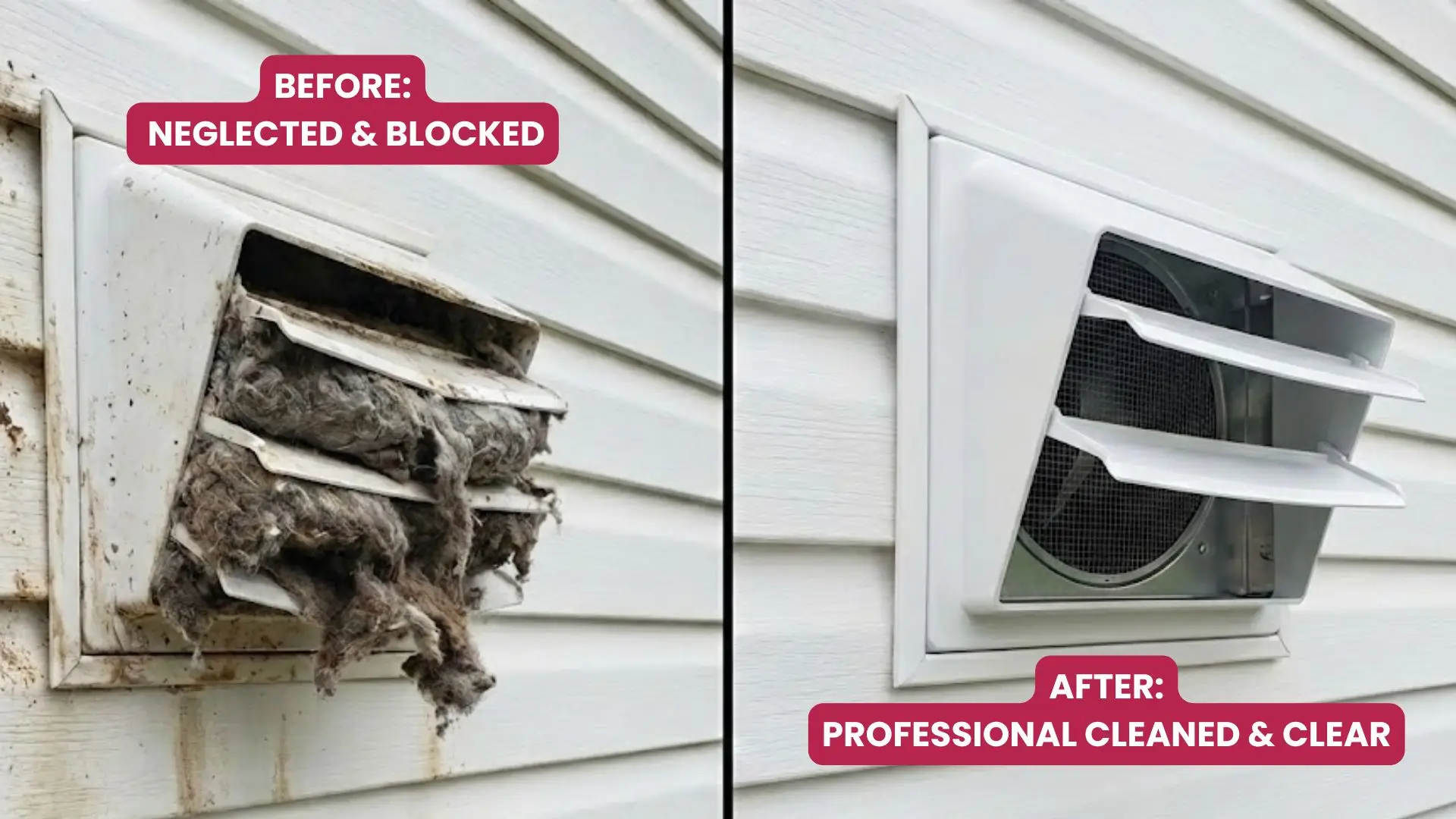
What Are the Latest Statistics on Dryer Vent Fire Risks?
The NFPA estimates approximately 15,970 home fires per year involve dryers and washing machines, resulting in an estimated $238 million in property damage, hundreds of injuries, and multiple fatalities annually. Failure to clean the dryer vent is the leading contributing factor, accounting for roughly one-third of all dryer fires. These aren't freak accidents. They're predictable, preventable events that regular professional dryer vent cleaning eliminates.
The combination of lint (a highly flammable material), heat from the dryer, and restricted airflow from a clogged vent creates the conditions for ignition. When airflow is blocked, temperatures inside the vent line rise well beyond normal operating range. Lint compacts at bends and joints in the vent line, and eventually the accumulated material reaches its ignition point. The risk is highest in homes with longer vent runs, crushed or kinked flexible ducting, or vents that haven't been cleaned in over a year.
What Safety Tips Should Homeowners Follow to Reduce Fire Hazards?
Clean your lint trap before or after every single load. Periodically check the exterior vent hood to make sure it opens freely and isn't blocked by debris, snow, or nesting animals. Avoid overloading your dryer, as larger loads produce more lint. Never run your dryer when you're not home or while sleeping. If your dryer uses a flexible transition duct (the connection between the dryer and the wall), make sure it's the rigid or semi-rigid metal type rather than plastic or foil, which can sag, trap lint, and are more combustible.
Most standard homeowners insurance policies cover fire damage regardless of cause. However, if an insurance investigation determines that negligence (such as failure to maintain the dryer vent) contributed to the fire, it could complicate your claim. Some insurers are beginning to ask about maintenance history for dryer vents, similar to how they assess furnace and chimney maintenance. Regular professional cleaning provides documented proof that you've maintained your system responsibly.
Why Homeowners Choose Kealey's Over the Competition
The duct and dryer vent cleaning industry unfortunately has more than its share of companies that advertise low prices, rush through jobs, or upsell services you don't need. As a family-owned business serving the seacoast since 1994, owner Brian Kealey built our reputation on the opposite approach: honest quotes, thorough work, and before-and-after proof on every job.
| What Matters | Kealey's | Typical Competitors |
|---|---|---|
| Before & after photo documentation | ✓ Every job | ✗ Rarely offered |
| Transparent, upfront pricing | ✓ No hidden fees | ✗ Bait-and-switch common |
| Engineering-level HVAC knowledge | ✓ Mechanical engineer owner | ✗ Minimal training |
| Fully insured | ✓ Verified | ? Varies widely |
| Family-owned local business | ✓ Since 1994 | ✗ Often franchise/national |
| Full-system cleaning process | ✓ Supply, return & main | ✗ Vents only (surface-level) |
| No-mess guarantee | ✓ Always | ? Depends on crew |
| 32+ years of experience | ✓ Established 1994 | ✗ Often under 5 years |
"Such a great company to work with!!! Would recommend to anyone! Professional and fantastic service!!!!! Thank you!!"
Quick-Answer FAQs About Our Services
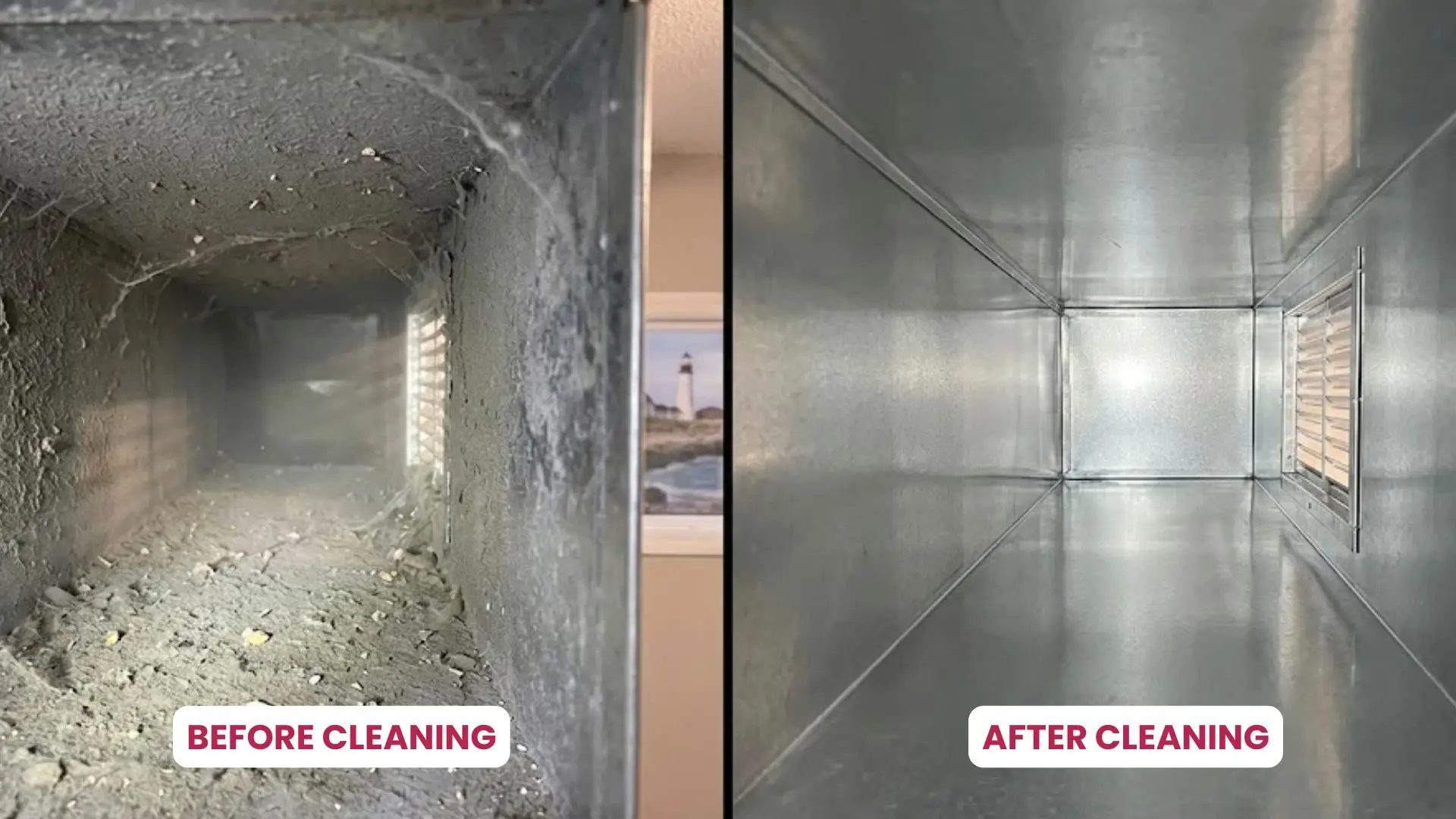
A professional dryer vent cleaning typically takes 30 to 60 minutes depending on the length and complexity of your vent run. We're thorough but efficient, and we clean up after ourselves so there's no mess left behind.
Our air duct cleaning service includes a full inspection, cleaning of all supply and return ducts, main trunk lines, and register covers. We use professional-grade rotary brush systems and high-powered vacuums. The process takes two to four hours for most homes, and we provide before-and-after photos so you can see the results.
Yes, we ask that someone 18 or older be home during the service. We'll need access to your dryer or HVAC system, and we like to walk you through the before-and-after results when we're done. Most customers appreciate seeing exactly what we removed from their system.
Look for visible dust blowing from supply registers when your HVAC turns on, dusty or musty smells when the system runs, inconsistent airflow between rooms, or an increase in allergy or respiratory symptoms at home. If you can see dust buildup inside your vent covers when you remove them, that's a strong indicator. Recent home renovations also warrant a cleaning, as construction dust settles deep inside ductwork.
Many of our customers report noticeable improvement in allergy and asthma symptoms after a professional duct cleaning. Dust, pollen, pet dander, and mold spores accumulate inside ductwork and recirculate every time your HVAC runs. Removing these irritants means cleaner air in every room. This is especially impactful for homes with pets or family members who suffer from seasonal allergies.
We serve homeowners across the Massachusetts and New Hampshire seacoast, including Salisbury, Amesbury, Newburyport, Essex County, Portsmouth, Hampton, Exeter, Rye, Seabrook, Stratham, Rockingham County, and into southern Maine including Kittery. Visit our service areas page for the full list.
The easiest way is to fill out our contact form or call us directly at (978) 961-4513. We'll ask a few questions about your home and system, provide a quote, and schedule a time that works for you. Most appointments can be booked within a few days.
We offer service year-round, but there are strategic times to schedule. For air duct cleaning, early fall (before heating season) ensures clean air circulation through the winter months. For dryer vent cleaning, any time is a good time since it's a safety issue. Many homeowners schedule both services together to check both off in a single visit. Spring and late summer tend to have the most availability.