
How Often Should You Clean Your Dryer Vent? A North Shore Homeowner's Guide to Fire Prevention
Here's something most homeowners don't realize: The majority of dryer fires don't start in the vent behind your wall. They begin inside the dryer itself, where lint accumulates in places you can't see or reach. That's why a thorough dryer cleaning service goes far beyond just clearing the vent pipe.
After 32 years of servicing homes across Massachusetts and New Hampshire's North Shore, we've seen firsthand what neglected dryer maintenance looks like and the risks it creates. This guide covers how often you should actually clean your dryer vent, where the real fire hazards hide, and what a complete cleaning should include.
Quick Answer
Clean your dryer vent at least once a year and never go longer than three years between professional cleanings. Households with heavy laundry usage, pets, or longer vent runs may need more frequent service.
How Often Should You Clean Your Dryer Vent?
When homeowners ask how often they should clean their dryer vent, the honest answer depends on several factors. Our recommendation: preferably annually, and definitely don't go over three years.
Annual Cleaning Is the Baseline
For most households, yearly professional cleaning keeps your dryer operating safely and efficiently. This applies to homes with:
- Average laundry loads (5-7 loads per week)
- Standard vent runs (under 25 feet)
- No pets or minimal shedding
- Newer dryer models (under 10 years old)
Factors That Require More Frequent Cleaning
Several factors affect how quickly lint builds up in your system:
- Family size and laundry volume - Large families doing daily loads accumulate lint faster
- Vent length and efficiency - Longer runs or vents with multiple bends trap more debris
- Pet ownership - Fur and dander dramatically increase lint production
- Dryer age - Older units have less efficient lint filtration
⚠️ The 3-Year Maximum Rule
Even if you don't notice warning signs, never go longer than 3 years between professional dryer vent cleanings. Lint builds up gradually, and by the time you notice symptoms, the fire risk may already be significant.
Where Dryer Fires Actually Start (It's Not Where You Think)
Here's what we've learned after thousands of dryer cleanings: the term "dryer vent cleaning" is actually misleading. Most people think their vents spontaneously combust. That's not what happens.
The Real Chain of Events
When your dryer vent is dirty, it flows less efficiently. Over time, this creates enough back-pressure that lint can no longer be expelled properly. Instead of going out the vent, it starts accumulating inside your dryer in areas you can't see or reach:
- The lint trap housing - The cavity where your lint screen sits
- Around the heating element - Where temperatures are highest
- The blower wheel and fan - Restricts airflow and causes overheating
- The interior cabinet - Lint coats internal components over time
- The exhaust transition hose - The flexible duct connecting dryer to wall
Electric Dryers: The Surprising Fire Risk
Many homeowners assume gas dryers are more dangerous because of the open flame. The data tells a different story: according to NFPA research, electric dryers are more than 2.5 times more likely than gas dryers to cause fires. About 78% of dryer fires involve electric appliances.
Why? The heat discharge from electric dryers is higher, which accelerates lint buildup problems. And here's what most people don't understand: the lint inside acts as "starter" material. When electrical wires spark (which happens occasionally in any appliance), there's usually nothing to catch. But when there's accumulated lint near those wires, a small spark can ignite quickly.
"Most fires are caused from a dryer wire sparking. But when there's stuff in there to catch, it goes out quick." - Keenan Kealey, Technician
We've pulled apart dryers and found lint blanketed on top of the heating element casing with the bottom completely charred. It's genuinely surprising more fires don't happen. The only thing preventing ignition is that lint hasn't reached the right spot at the right time.
6 Warning Signs Your Dryer Needs Cleaning Now
Don't wait for your annual appointment if you notice any of these symptoms:
- Clothes take longer than one cycle to dry - The most common sign of restricted airflow
- Clothes or the dryer feel excessively hot - Heat isn't exhausting properly
- Burning smell while dryer runs - Lint may be heating near ignition point
- Lint visible around the dryer door seal - Indicates internal buildup
- Vent flap doesn't open during operation - Blockage preventing exhaust
- Dryer shuts off mid-cycle - Safety thermostat triggering due to overheating
🔥 If You Smell Burning: Stop Immediately
If you notice a burning odor while your dryer is running, stop the dryer immediately and do not use it until it's been professionally inspected and cleaned. This could indicate lint near the heating element approaching ignition temperature.
What a Complete Dryer Cleaning Actually Includes
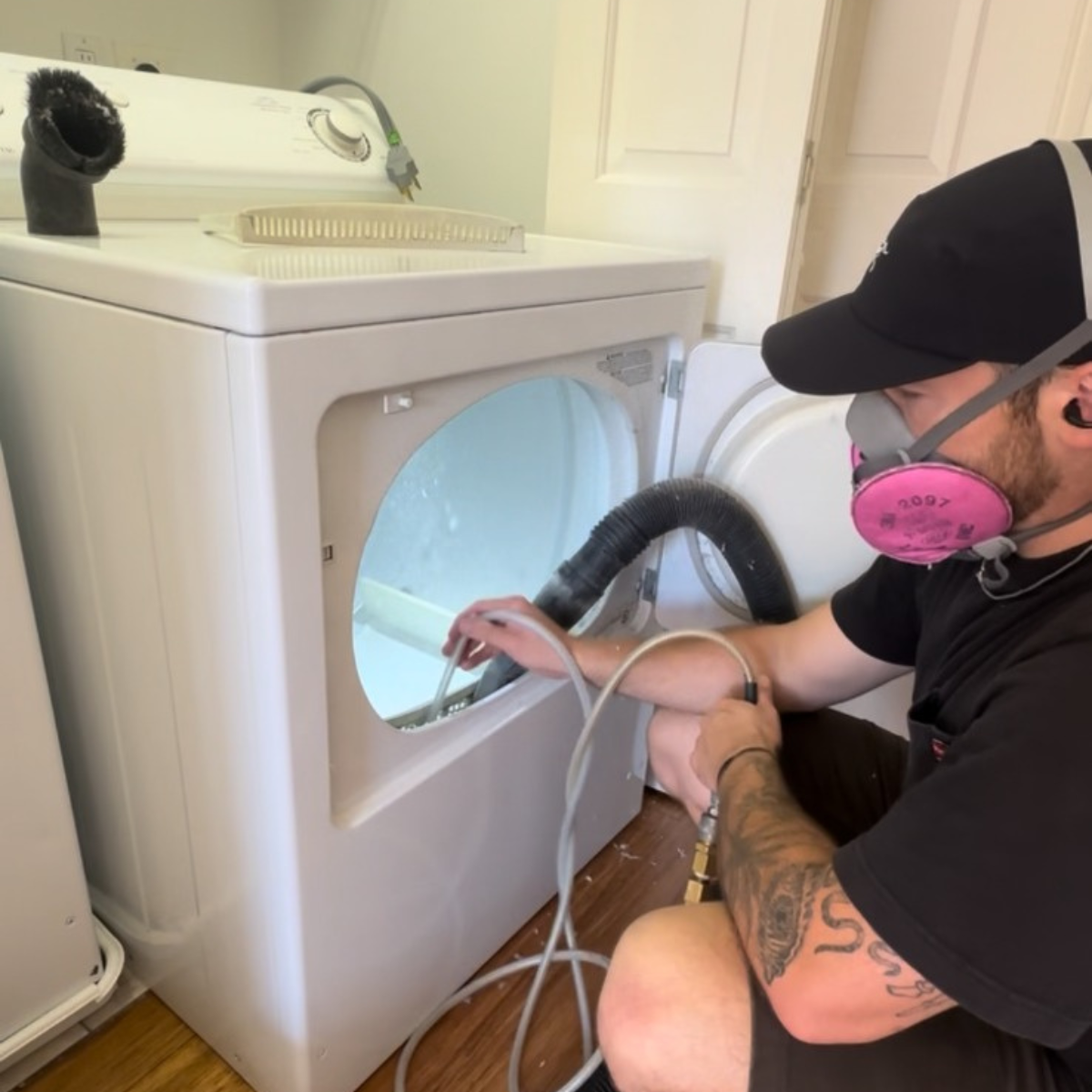
A proper dryer cleaning is not a 15-minute job. Here's what we've learned separates a real cleaning from a surface-level one:
Interior Dryer Cleaning
This is what most companies skip, and it's where the actual fire risk lives:
- Remove and clean the lint trap housing thoroughly
- Access and clean around the heating element
- Clean the blower wheel and fan assembly
- Vacuum the interior cabinet
- Inspect the exhaust transition hose condition
In some cases, we gain access through the back pipe. We'll pull it out, which creates a small opening to insert our hose and blow around. All the accumulated lint gets pushed into the pipe and removed. This method lets us reach areas that would otherwise require significant disassembly.
Vent System Cleaning
- Disconnect and inspect the transition hose
- Clean the entire vent run to the exterior
- Clear the exterior vent hood and damper
- Test airflow after cleaning
- Inspect for damage, crimps, or improper materials
What We Often Find
Even in homes where the lint trap is cleaned after every load, we routinely remove significant lint buildup from inside the dryer and vent system. The photos below show typical results:
Before & After: Real Results from North Shore Homes
These photos show actual dryer vent cleaning results from local homes. The amount of lint we remove often surprises homeowners, even those who clean their lint traps religiously.
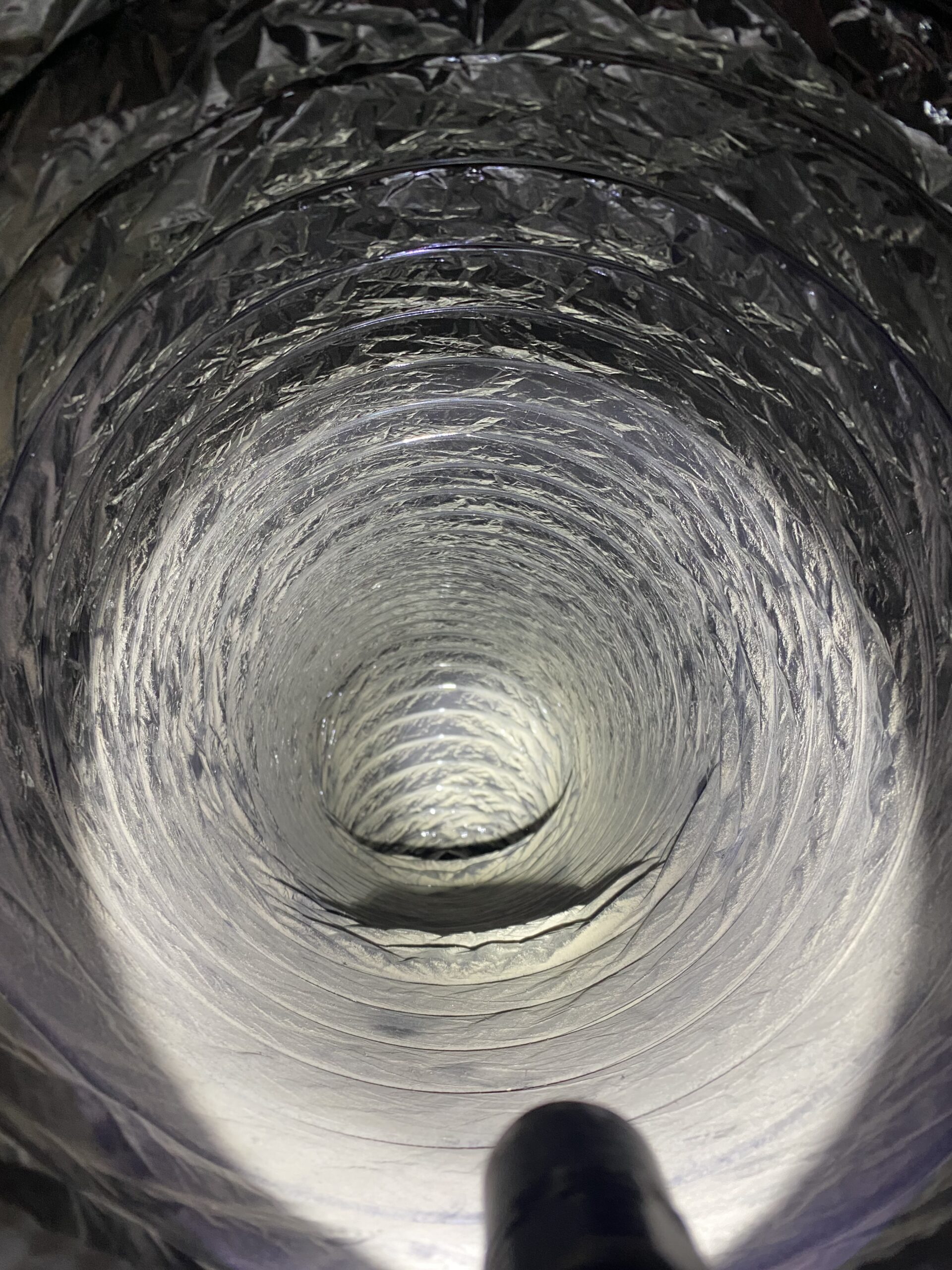
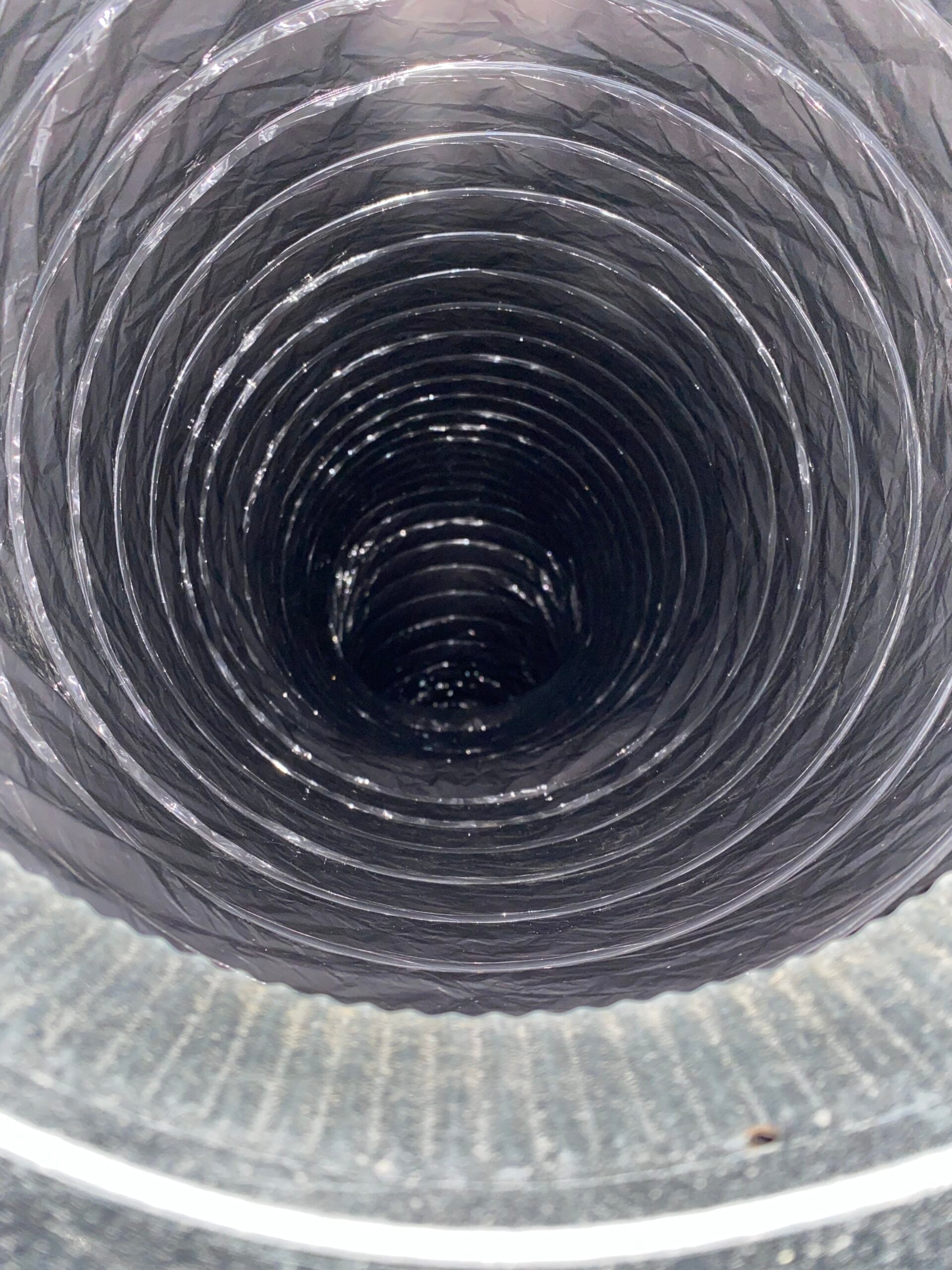
After cleaning, most homeowners notice their dryer works noticeably better. Clothes dry in a single cycle again, and the dryer doesn't run as hot. More importantly, the fire risk is eliminated.
When Was Your Last Dryer Cleaning?
If it's been more than a year, or if you're noticing any warning signs, schedule your professional dryer vent and interior cleaning today. We serve Salisbury, Amesbury, Newburyport, and communities throughout Massachusetts and New Hampshire's North Shore.
Call (978) 961-4513Frequently Asked Questions
How often should I really clean my dryer vent?
Preferably annually, and definitely don't go over three years. Households with pets, heavy laundry usage, or long vent runs should lean toward the annual end. The cleaning frequency depends on factors like family size, how much laundry you do, and the length and configuration of your vent run.
Can I clean my dryer vent myself?
You can do basic maintenance like cleaning the lint trap after every load and vacuuming the lint trap housing periodically. However, thorough cleaning of the interior dryer components (around the heating element, blower wheel) and the full vent run requires professional equipment and expertise. DIY cleaning often misses the areas where fires actually start.
Where do most dryer fires start?
Most dryer fires don't start in the wall vent, as many people assume. They originate inside the dryer itself, where lint accumulates around the heating element, blower wheel, and interior cabinet. When a blocked vent prevents proper exhaust, lint builds up inside instead of being expelled, creating the conditions for a fire.
Are gas dryers more dangerous than electric?
Actually, no. According to NFPA data, electric dryers are more than 2.5 times more likely than gas dryers to cause fires. About 78% of dryer fires involve electric appliances. This is because electric dryers discharge more heat, which accelerates lint buildup, and because electrical wiring can spark and ignite accumulated lint.
How long does professional dryer vent cleaning take?
A thorough dryer vent and interior cleaning typically takes 45 minutes to 1.5 hours, depending on vent length, accessibility, and the amount of buildup. Be cautious of services advertising 15-20 minute cleanings. They're likely only cleaning the vent and skipping the critical interior components where fires actually start.
About Kealey's Duct & Dryer Cleaning
Kealey's has been serving North Shore Massachusetts and New Hampshire since 1993. Founded by Brian Kealey, a mechanical engineer who built the business on doing things right, we've maintained our reputation on thoroughness, transparency, and treating every home like our own.
We serve Salisbury, Amesbury, Newburyport, and surrounding communities in Massachusetts and New Hampshire. Our customers consistently rate us 5 stars for being prompt, thorough, and trustworthy.
Ready to schedule? Call us at (978) 961-4513 or request a quote online.