
By Brian Kealey, Kealey’s Duct and Dryer Cleaning
As homeowners prepare for the winter months, the “furnace” often becomes the focus of attention. The initial startup of a furnace can bring unexpected odors, particularly a burning dust smell that raises concerns for many. This article explores the reasons behind these smells, the identification of potential fire hazards, and best practices for maintaining safe furnace operations. Readers will learn how to differentiate between normal dust burn-off and serious risks, uncover prevention strategies, and understand the necessary maintenance tasks to ensure their heating systems operate safely and efficiently.
We will delve into why a furnace emits a burning dust odor at startup and provide insights into the possible causes. From there, we’ll identify warning signs of duct fire hazards and effective prevention measures. Additionally, best practices for furnace and duct maintenance will be discussed, including cleaning frequencies and techniques. Finally, we’ll present crucial safety measures and standards that help mitigate fire risks during furnace startup.
Why Does My Furnace Smell Like Burning Dust at Startup?
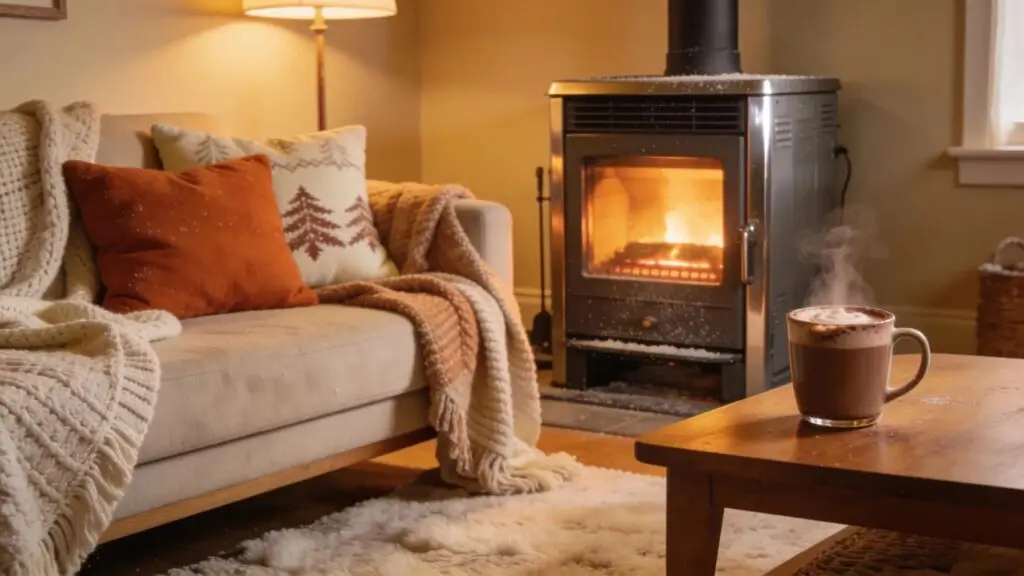
Furnace odors can be alarming, especially when heating is turned on for the first time in a season. Often, a burning dust smell indicates the combustion of accumulated dust sitting inside the furnace and ductwork since the last use. This temporary phenomenon can result from several factors, ranging from normal operation to potential hazards.
What Causes Dust Accumulation and Combustion Inside Furnaces?
Dust accumulates in the furnace due to a combination of household activities and environmental factors. Sources can include pet dander, dust from furniture and textiles, and particles from outdoor air when windows are open. Additionally, inadequate ventilation can exacerbate dust buildup, leading to combustion when the furnace heats up. While burning dust is typically harmless, it can release particles into the air, affecting “indoor air quality” and posing health risks, especially for sensitive individuals.
How to Differentiate Normal Dust Burn-Off Smell from Dangerous Fire Indicators?
Recognizing the difference between a typical dust burn-off smell and signs of potential fire hazards is crucial. A normal dust burn-off odor is often described as a light, transient scent that dissipates shortly after the furnace starts. In contrast, dangerous smells may include an acrid, intense odor that persists or intensifies. Accompanying signs such as unusual noises, smoke, or higher-than-normal energy bills may indicate a dangerous situation requiring immediate inspection or professional assistance.
How Can You Identify and Prevent Duct Fire Hazards During Furnace Startup?
Furnace operations can expose ductwork to various risks, including fire hazards. Understanding how to identify these dangers and implementing preventative strategies can keep your home safe.
What Are Common Warning Signs of Duct Fire Hazards?
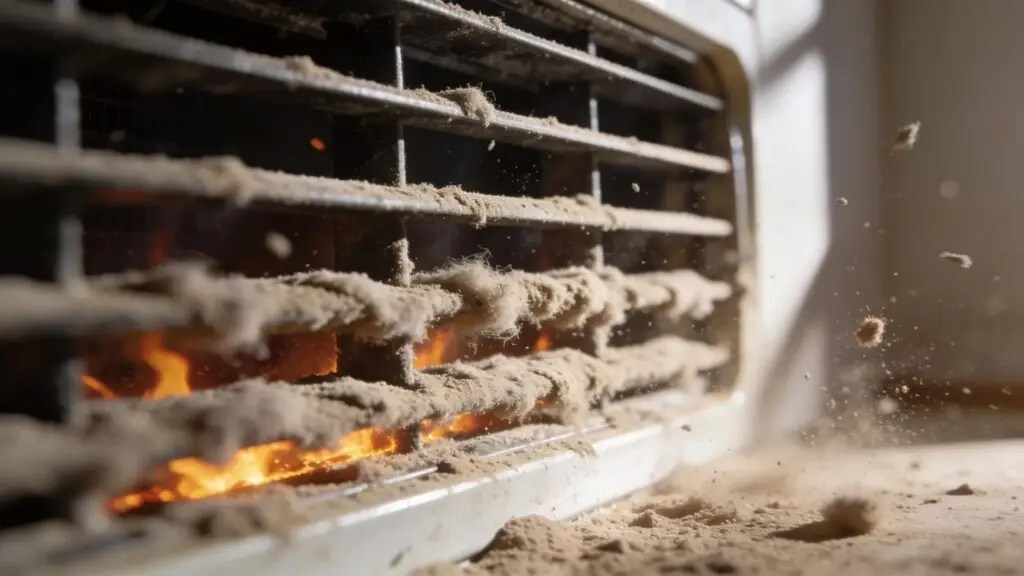
Several indicators may signal potential duct fire hazards. These can include:
- Odor Indicators: A strong, persistent burning smell may indicate overheating or electrical issues.
- Dust Accumulation Signs: Excessive dust around vents or a buildup inside ducts can lead to ignition points.
- Higher Energy Bills: An unexplained increase in energy costs may suggest inefficient heating due to duct issues.
Recognizing these signs early can protect your home from fire risks.
Which Fire Hazard Prevention Measures Are Effective for HVAC Ducts?
Implementing effective fire hazard prevention measures is essential for HVAC safety. Here are key strategies:
- Regular Cleaning: Consider cleaning air ducts at least once a year to minimize dust buildup and improve efficiency.
- Professional HVAC Inspections: Schedule annual inspections by certified technicians to detect potential issues early.
- Routine Maintenance Tips: Check filters regularly and change them as needed to ensure airflow remains unobstructed and reduce fire risk.
By incorporating these practices, homeowners can significantly enhance their “HVAC system’s safety”.
What Are the Best Practices for Fall Furnace and Air Duct Maintenance?
Proper fall maintenance of the furnace and air ducts prevents myriad issues and ensures a warm, safe home during winter. Several best practices can help maintain your system effectively.
How Often Should Air Ducts Be Cleaned to Maintain Safety?
To maintain safety and efficiency, air ducts should generally be cleaned every 3-5 years, or sooner if:
- There are visible dust or debris within the ducts.
- Allergies or respiratory issues appear to escalate for family members.
- The home undergoes significant renovations.
Regular cleaning can help avoid costly repairs and enhance indoor air quality.
Which Inspection Tools and Cleaning Methods Ensure Safe Furnace Startup?
Utilizing the right tools and cleaning methods is crucial for thorough furnace inspections. Essential tools include:
- Vacuum Cleaners: Specialized duct vacuums can remove dust and debris effectively.
- Inspection Cameras: These devices help visualize inside ducts, allowing for a proper assessment of the cleanliness and condition.
- Brushes and Air Sweeps: Brushes help dislodge built-up materials that can be vacuumed away to ensure cleanliness.
Implementing these methods helps ensure a smooth and safe startup.
How to Conduct a Comprehensive Pre-Winter Furnace Startup Inspection?

Conducting a comprehensive inspection before winter not only ensures efficient operation but also enhances safety. Homeowners can follow a systematic approach to check all necessary components of the furnace.
What Are the Essential Furnace Components to Inspect Before Winter?
Key components to inspect during the furnace checklist include:
- Filters: Check and replace filters if necessary to maintain airflow.
- Burners: Ensure burners are clean and free of debris to prevent inefficient combustion.
- Blower Motor: Test the blower motor for proper functionality to ensure adequate heat circulation.
Addressing these components can significantly reduce the risk of malfunctions.
How to Use Safety Checklists and Flowcharts for Effective Startup Procedures?
Creating and utilizing checklists can streamline furnace maintenance and promote safety. Consider incorporating the following elements:
- Creating Effective Safety Checklists: Include detailed steps for inspection, cleaning, and testing components.
- Importance of Following Procedures: Emphasize the necessity of following each step to catch issues early.
- Examples of Visual Aids: Provide flowcharts or diagrams to illustrate complex processes, enhancing understanding and adherence.
Using structured paperwork effectively decreases human error and promotes thorough inspections.
Identifying and Preventing HVAC Duct Fire Hazards
Understanding and following proper safety measures is vital in minimizing fire risks associated with furnace startups.
When Should You Hire Professional HVAC Duct Cleaning and Inspection Services?
Homeowners should consider hiring professionals when:
- Signs of Significant Dust Buildup: If visible dust is present, professional cleaning may be required.
- Consistent Performance Issues: Experiencing frequent malfunctions may necessitate expert evaluation.
- Uncertainty About Maintenance: If unsure how to implement safety checks, professional help can provide peace of mind.
Hiring experienced professionals ensures thoroughness and adherence to safety standards.
What Are the Latest Safety Standards and Fire Incident Statistics for Furnace Use?
Keeping abreast of the latest safety standards and statistics regarding furnace use can help inform effective maintenance and operational procedures.
The National Fire Protection Association (NFPA) indicates that nearly 50% of residential fires occur in homes without functional smoke alarms, reinforcing the importance of preventive measures. Additionally, maintaining compliance with the latest safety standards recommended by HVAC authorities aids in ensuring safe furnace operation.
Which Frequently Asked Questions Address Furnace Dust Smell and Fire Safety?
- What should I do if my furnace smells like burning dust?Allow the furnace to run for a short period to check if the smell dissipates. If it continues or worsens, consider having it inspected by a professional.
- Is it safe to run my furnace if I notice a burning smell?Generally, a brief burning smell can signify normal dust burn-off. However, if the smell persists or is accompanied by other warning signs, it is advisable to turn off the furnace and consult a technician.
- How can I keep my indoor air quality high during winter heating?Regularly change air filters, clean air ducts, and maintain a consistent humidity level to promote good indoor air quality throughout winter.