
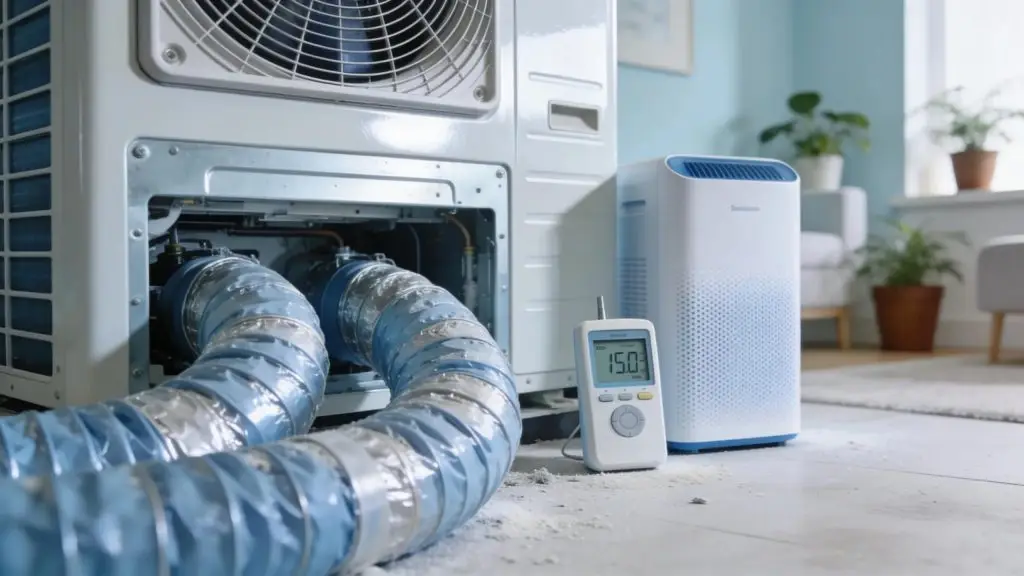
Why Your AC Smells Musty in Summer: Causes, Effects, and Solutions for Your Air Ducts
By Brian Kealey, Kealey’s Duct and Dryer Cleaning
As the summer heat rises, many homeowners encounter an unsettling problem: a musty smell coming from their air conditioning units. This odor often signals the presence of mold and mildew, which can thrive in warm and humid environments. Understanding the underlying causes of this musty scent is crucial not only for comfort but also for health and air quality. This article delves into the primary reasons behind musty odors in AC systems, examines their effects on air ducts, and offers practical solutions to mitigate these issues. By exploring topics such as humidity levels, mold growth, and effective maintenance practices, you will learn strategies to combat these unpleasant smells and ensure a healthier indoor environment for your family.
Causes of Musty Odor
The musty odor emanating from air conditioning systems is predominantly caused by high humidity and mold growth. Humidity levels above 60% create an ideal breeding ground for mold, which can develop in ducts due to trapped moisture. Additionally, dust and debris accumulation exacerbates the problem, providing further sustenance for mold spores. As air moves through the ducts, these particles can contribute to a persistent, unpleasant smell that prompts concern for indoor air quality.
Effects on Air Ducts
The impacts of musty odors extend beyond mere annoyance; they can significantly affect air duct performance and overall health. Musty smells often indicate poor air quality, which can lead to respiratory issues for occupants. The presence of mold and accumulated dust increases health risks, particularly for individuals with allergies or respiratory conditions. Furthermore, dirty ducts can lead to inefficiencies in the air conditioning system, resulting in higher energy costs and detrimental wear over time.
Effective Solutions
There are several practical solutions for addressing musty smells in air conditioning systems. Regular duct cleaning is essential for removing any built-up debris and mold. Additionally, controlling indoor humidity can inhibit mold growth, making it a critical aspect of maintaining air quality. Regular maintenance checks also ensure that ducts remain clear and functioning optimally.
How Does Humidity Promote Mold and Mildew Growth in AC Systems?
Humidity plays a pivotal role in encouraging mold and mildew growth in air conditioning systems. When humidity levels exceed 60%, moisture in the air can accumulate in the cooling coils and ducts, creating the perfect environment for mold spores to thrive. Mold forms in damp areas, and if not addressed, it can spread rapidly, affecting not only air quality but also system performance and efficiency.
Fungal Growth in AC Ducts: Humidity, Temperature & Inhibiting Factors
Higher relative humidity or temperature was conducive to fungal growth. The orthogonal experiment revealed that the condition of “antibacterial composite, 22 ± 1 °C and 45%–55% RH” had the strongest inhibiting impact on fungal growth.
Dust accumulated fungi in air-conditioning system: Findings based on field and laboratory experiments, Z Liu, 2021
Which Fungal Contaminants Commonly Trigger Mildew Smell in Air Ducts?
Common fungal contaminants that contribute to mildew smell in air ducts include molds such as Aspergillus and Penicillium. These mold species thrive in moist environments and can release spores into the air circulated by the HVAC system. Inhalation of these spores can exacerbate allergic reactions or respiratory conditions, underlining the importance of addressing mold issues promptly.
How Does Mold Growth in Air Ducts Affect Indoor Air Quality and Health?
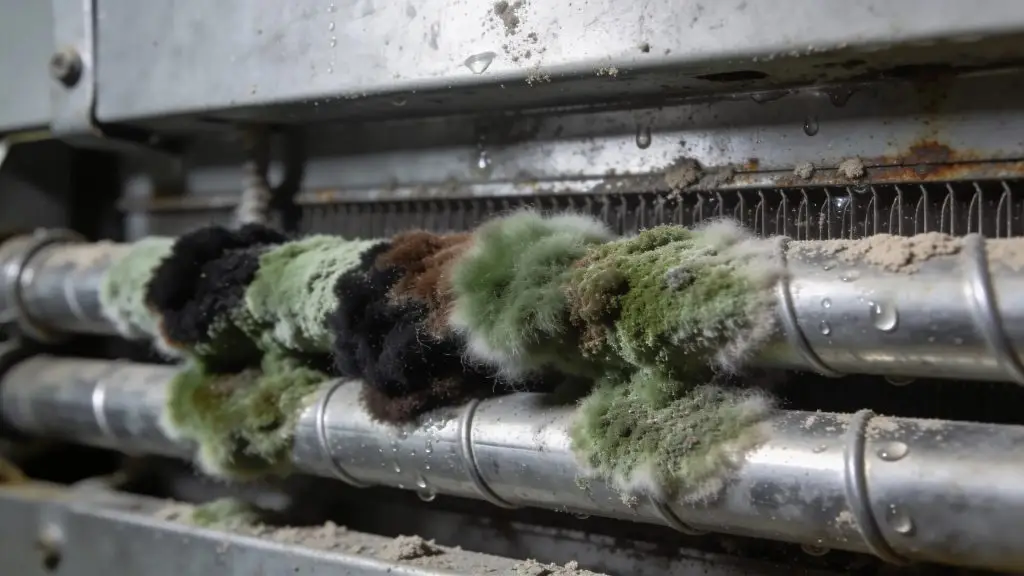
Mold growth in air ducts can severely compromise indoor air quality. As it proliferates, it releases mycotoxins and spores into the airflow, exposing residents to potential health risks. This exposure can manifest in several ways, including respiratory problems, allergic reactions, and other health complications, especially in sensitive individuals such as children or those with pre-existing conditions. Maintaining clean air ducts is essential for ensuring a safe and healthy environment.
What Are the Health Risks Associated with Musty AC Odors?
Musty air conditioning odors are not just unpleasant; they can pose serious health risks. Individuals with asthma, allergies, or weakened immune systems may experience aggravated symptoms due to mold exposure. Furthermore, research suggests that long-term exposure to certain molds can lead to more severe respiratory issues and other health complications. It is crucial for homeowners to recognize the potential dangers of musty odors and take appropriate action to resolve them.
Why Is Air Duct Condition Critical for Odor and Air Quality Control?
The condition of air ducts is vital for controlling odors and ensuring good indoor air quality. Dirty ducts can harbor mold, dust, and other contaminants that contribute to unpleasant smells and poor ventilation. Proper maintenance of air ducts not only improves efficiency and airflow but also safeguards the health of inhabitants by reducing the risk of mold exposure and ensuring that clean air is circulated throughout the home.
How Can You Diagnose Mold and Musty Smells in Your AC System?
Diagnosing mold and musty smells in your air conditioning system involves several steps. Homeowners should look for visible signs of mold growth in and around the unit, as well as any unusual odors when the system is running. Regular inspections by professionals can help identify hidden mold issues before they become a significant health risk. Furthermore, utilizing humidity measuring devices can indicate when humidity levels are too high, paving the way for preventative measures.
What Are the Best Practices for Inspecting Air Ducts and Filters?
Best practices for inspecting air ducts and filters include performing routine checks on cleanliness and ensuring that filters are changed regularly. Homeowners should ideally inspect ducts at least once a year and replace or clean filters every three months. Regular maintenance helps prevent the buildup of dust and mold, ensuring that the HVAC system operates efficiently and odors are minimized.
How to Use Humidity Measurement to Identify Mold Growth Risks?
Utilizing humidity measurement tools can effectively identify risks for mold growth within air conditioning systems. Maintaining humidity levels below 60% is critical; devices such as hygrometers provide accurate humidity readings. If measurements consistently indicate high humidity, it may be necessary to use dehumidifiers or improve ventilation to mitigate potential mold issues.
What Are Effective Solutions to Fix Musty and Moldy Smells in AC Ducts?
Effective solutions to combat musty and moldy odors in AC ducts include thorough cleaning of ductwork, replacing filters, and employing mold treatments. Additionally, utilizing UV light systems for HVAC can help kill mold spores as air circulates through the system. Integrating these practices is essential for restoring clean air quality and diminishing unpleasant smells.
Which Cleaning and Mold Treatment Methods neutralize Musty Odors?
Several cleaning and mold treatment methods can neutralize musty odors effectively. Chemical solutions that contain antifungal properties can be applied to surfaces where mold is suspected. Furthermore, regular use of a vacuum with a HEPA filter can help capture and remove airborne mold spores and dust particles from the ducts, promoting better air quality.
How Often Should You Replace or Clean AC Filters to Prevent Odors?
To prevent musty odors from developing, it is recommended to replace or clean AC filters every one to three months. Regular filter maintenance allows for efficient airflow and reduces the buildup of dust and allergens that can contribute to unpleasant smells. Homeowners should identify the best schedule based on usage and environmental factors to ensure optimal performance.
How Can Preventive Maintenance Help Avoid Musty Smells in Summer AC Use?
Preventive maintenance plays a crucial role in avoiding musty smells in air conditioning systems during summer. Regular inspection and cleaning can prevent mold growth and ensure that the AC unit operates efficiently. Homeowners can schedule seasonal tune-ups with HVAC professionals to address any potential issues before they lead to unpleasant odors, thereby safeguarding indoor air quality.
What Are Key HVAC Inspection Tips to Prevent Mold Growth?
Key HVAC inspection tips to prevent mold growth include checking for moisture accumulation around units, ensuring drainage systems are functioning properly, and examining ductwork for any visible signs of mold. Additionally, maintaining proper airflow and conducting annual professional inspections will significantly mitigate the risk of mold development in air systems.
How Does Controlling Indoor Humidity Reduce AC Odor Risks?
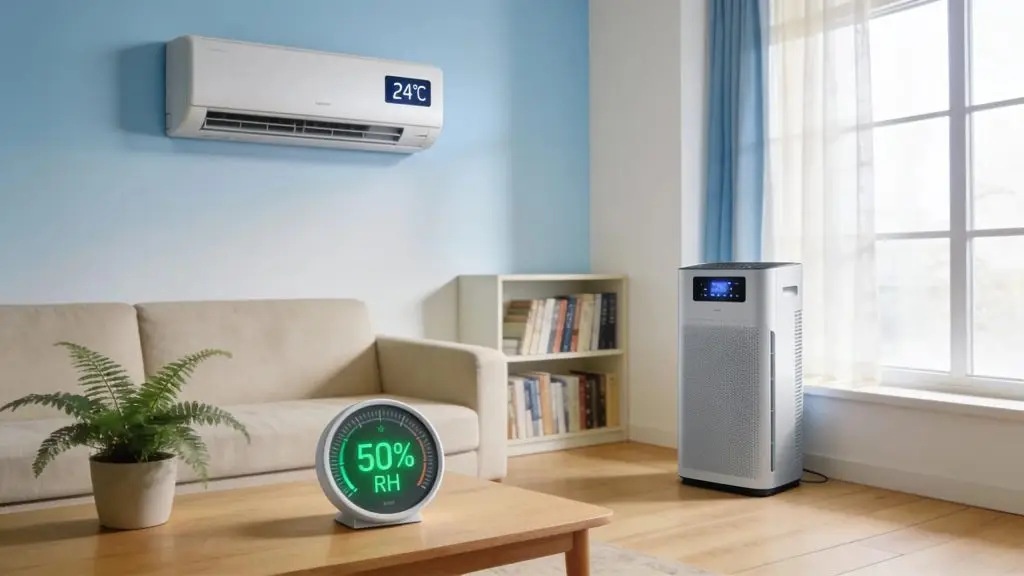
Controlling indoor humidity is vital for reducing risks associated with AC odors. Implementing dehumidifiers and ensuring proper ventilation can keep humidity levels below the threshold for mold growth. By balancing humidity levels and using air conditioning systems efficiently, homeowners can significantly minimize the chances of developing musty odors throughout the summer months.
What Are Common Questions About Musty AC Smells Answered?
When dealing with musty AC smells, homeowners often have several questions. For instance, many wonder why their air conditioner only emits this odor during summer. The primary reason relates to increased humidity and air temperature during warm months, creating conditions favorable for mold growth. Addressing this concern involves implementing appropriate humidity control methods to keep indoor air fresh and clean.
Why Does My Air Conditioner Smell Bad Only in Summer?
Air conditioning systems typically emit bad smells during the summer due to heightened humidity and temperature, which can spur the growth of mold in ducts. If not addressed, these conditions can result in persistent musty odors. Proactive humidity management and regular system maintenance can help prevent this seasonal problem from escalating into a health hazard.
Is Musty AC Smell Harmful to My Family’s Health?
The musty smell from air conditioning systems can be harmful to your family’s health. Prolonged exposure to mold and contaminants released into the air can trigger allergies, respiratory issues, and other health concerns. It is advisable to address any persistent musty odors immediately to safeguard your family’s health and wellbeing.