
Winter Air Quality Problems? Discover Effective Solutions

Why Winter Worsens Indoor Air Quality and How to Fix It
As winter approaches, many homeowners unknowingly face a significant decline in indoor air quality. The combination of closed windows, reduced ventilation, and heating systems can trap pollutants and allergens inside, leading to various health issues. This article explores the reasons why winter is particularly challenging for indoor air quality and offers practical solutions to improve it. By understanding the factors contributing to poor air quality during this season, you can take proactive steps to create a healthier living environment. We will discuss the causes of poor indoor air quality, the health risks associated with it, and how professional air duct cleaning can help. Additionally, we will highlight the importance of dryer vent cleaning and provide tips for maintaining healthy indoor air quality throughout the winter months.
What Causes Poor Indoor Air Quality During Winter?
Winter presents unique challenges for indoor air quality, primarily due to reduced ventilation and the operation of heating systems. These factors can lead to the accumulation of indoor pollutants, making it essential to understand their impact.
How Does Reduced Ventilation Affect Winter Air Quality?
Reduced ventilation during winter months can significantly impact indoor air quality. When windows and doors are closed to keep the cold air out, pollutants such as dust, allergens, and volatile organic compounds (VOCs) become trapped inside. This lack of airflow can lead to a buildup of harmful particles, which may exacerbate respiratory issues and allergies. Ensuring proper ventilation, even in winter, is crucial for maintaining a healthy indoor environment.
What Role Do Heating Systems Play in Indoor Air Pollution?
Heating systems can contribute to indoor air pollution by circulating dust, allergens, and other contaminants that accumulate in the ducts or on filters. Poor indoor air quality can lead to health issues such as respiratory problems and allergies. Regular air duct and HVAC system maintenance, including filter replacement and cleaning, helps reduce these pollutants, improving indoor air quality and creating a healthier living environment.
Research further emphasizes the critical role of effective HVAC filtration in maintaining optimal indoor air quality and system efficiency.
HVAC Filtration for Enhanced Indoor Air Quality
Air filters play a vital role in HVAC systems by preventing pollutants such as dust and smoke from circulating indoors. Poor air filtration negatively impacts Indoor Air Quality (IAQ) and increases energy consumption. This study aims to develop a real-time air quality monitoring system for ducted air conditioning systems, specifically in an an Air Handling Unit (AHU), to enhance filtration efficiency and optimize HVAC performance while improving IAQ.
Smart HVAC Filtration Monitoring for Indoor Air Quality (IAQ):
Enhance Efficiency and Environmental Sustainability, MAAM Nor, 2025
What Are the Health Risks of Poor Winter Indoor Air Quality?
Poor indoor air quality can lead to a range of health issues, including respiratory problems, allergies, headaches, and fatigue, particularly affecting vulnerable populations such as children, the elderly, and those with pre-existing conditions.
How Do Allergens and Dust Affect Respiratory Health in Winter?
Allergens and dust can significantly affect respiratory health in winter by contributing to poor indoor air quality. This can lead to respiratory problems, allergies, headaches, and fatigue, particularly in vulnerable populations such as children and the elderly. The concentration of indoor air pollutants can be much higher than outdoor levels, making it essential to address air quality concerns. Regular air duct cleaning can help reduce allergens, mold spores, and other harmful particles, thereby creating a healthier living environment and potentially easing allergy symptoms.
What Other Symptoms Are Linked to Winter Air Quality Problems?
Other symptoms linked to winter air quality problems include respiratory problems, allergies, headaches, and fatigue. These symptoms can significantly impact daily life and overall well-being, especially for vulnerable populations such as children, the elderly, and those with pre-existing conditions.
How Can Professional Air Duct Cleaning Improve Winter Indoor Air Quality?
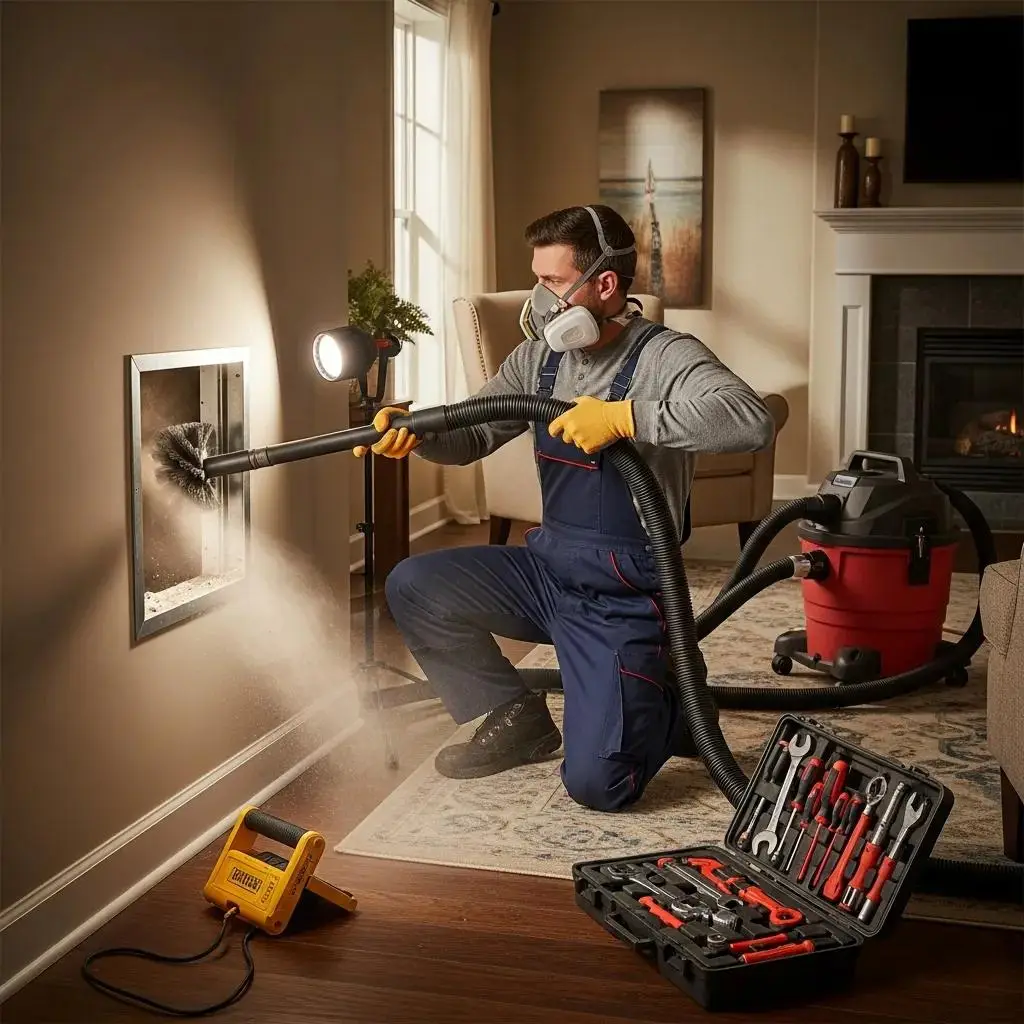
Professional air duct cleaning can improve winter indoor air quality by removing settled allergens such as dust, pollen, pet dander, and some mold spores from the ducts. This process reduces airborne particulates, leading to less visible dust at registers and potentially alleviating allergy symptoms. Additionally, it can eliminate odor-holding residues, resulting in fresher air. Overall, these improvements contribute to a healthier indoor environment, especially important during the winter months when homes are sealed and air circulation is limited.
Studies have consistently demonstrated the tangible benefits of professional HVAC duct cleaning in significantly enhancing indoor air quality.
HVAC Duct Cleaning for Improved Indoor Air Quality
Indoor air quality has become one of the most serious environmental concerns as an average person spends about 22 hr indoors on a daily basis. The study reported in this article, was conducted to determine the effectiveness of three commercial HVAC (Heating Ventilation Air Conditioning) duct cleaning processes in reducing the level of airborne particulate matter and viable bioaerosols.
Effectiveness of HVAC duct cleaning procedures in improving indoor air quality, I Ahmad, 2001
| Benefit of Air Duct Cleaning | Description | Impact Level |
|---|---|---|
| Reduces Allergens | Removes dust, pollen, and pet dander from ducts | High |
| Improves Air Quality | Decreases airborne particulates and odors | High |
| Enhances HVAC Efficiency | Restores airflow, potentially reducing energy consumption | Medium |
This table illustrates how professional air duct cleaning can significantly enhance indoor air quality during winter, making it a vital service for homeowners.
How Does Air Duct Cleaning Reduce Allergens and Dust in Winter?
Air duct cleaning reduces allergens and dust in winter by removing settled dust, pollen, pet dander, and some mold spores from duct surfaces. This process helps decrease airborne particulates, leading to improved indoor air quality and potentially easing allergy symptoms. By ensuring cleaner airflow, it also contributes to a healthier living environment, especially important during winter when homes are often sealed and indoor air quality can decline.
How Does Cleaning Air Ducts Enhance HVAC Efficiency and Save Energy?
Cleaning air ducts can enhance HVAC efficiency by removing dirt, debris, and contaminants that can restrict airflow. When ducts are obstructed, the HVAC system must work harder to circulate air, leading to increased energy consumption and higher utility bills. By ensuring clean airflow, air duct cleaning can help restore the system’s efficiency, potentially resulting in energy savings and improved performance. Homeowners may notice a decrease in energy costs following a thorough cleaning, although the extent of savings can vary depending on the system’s condition.
Why Is Dryer Vent Cleaning Essential for Winter Safety and Efficiency?
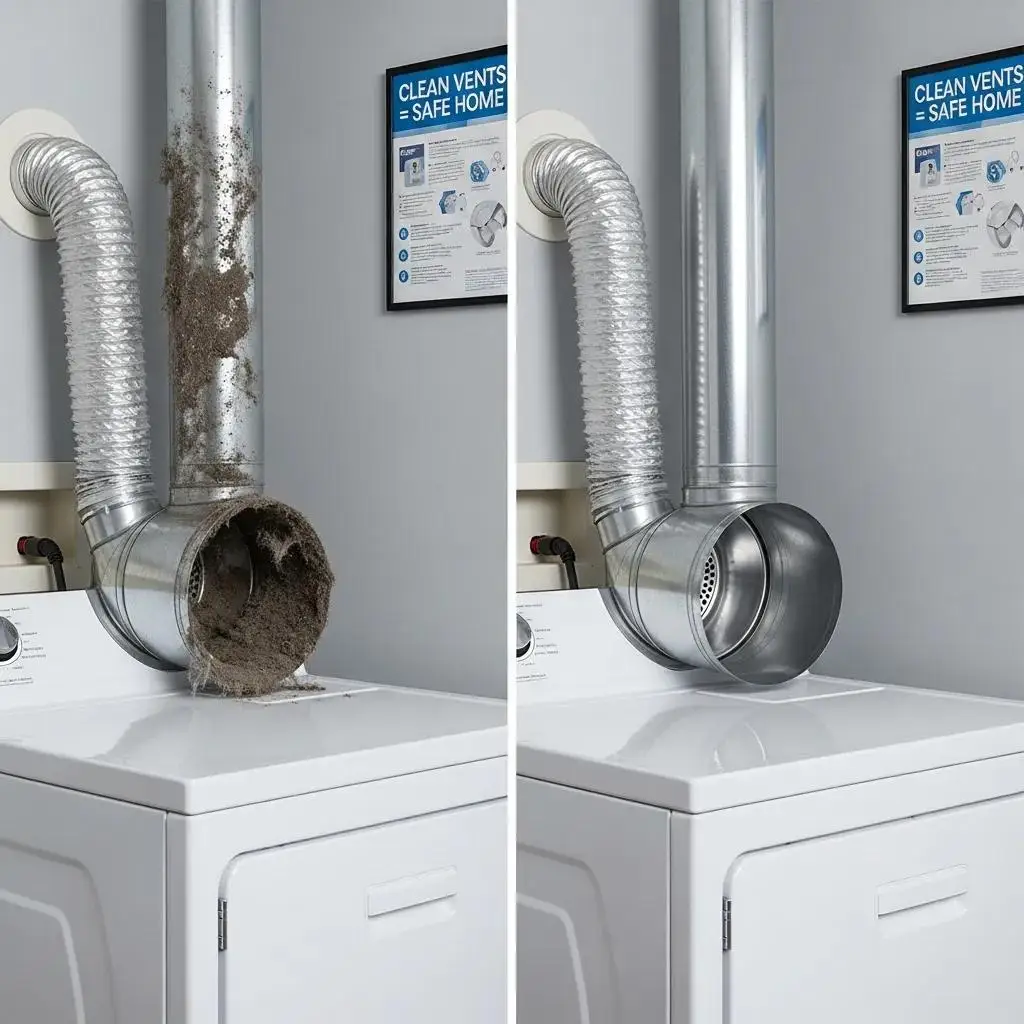
Dryer vent cleaning is crucial during winter for both safety and efficiency. Clogged dryer vents can pose fire hazards and reduce the effectiveness of your dryer, leading to longer drying times and increased energy consumption.
How Does Dryer Vent Cleaning Prevent Fire Hazards in Winter?
Dryer vent cleaning helps prevent fire hazards by removing lint and debris that can accumulate in the vent. When the vent is clogged, heat can build up, increasing the risk of a fire. Regular cleaning ensures that the dryer operates safely and efficiently, reducing the likelihood of dangerous situations.
How Does Dryer Vent Cleaning Improve Drying Times and Energy Savings?
Dryer vent cleaning improves drying times and energy savings by removing lint and debris that can clog the vent. When the vent is clear, air can flow more freely, allowing the dryer to operate more efficiently. This reduces the amount of time needed to dry clothes, leading to lower energy consumption and decreased utility bills.
Why Choose Kealey's Duct and Dryer Cleaning Service This Winter?
Choose Kealey’s Duct and Dryer Cleaning Service this winter for their engineer-designed, three-step approach that includes inspection, mechanical cleaning, and verification with photographic proof. This thorough process targets contaminants, improves indoor air quality, enhances HVAC efficiency, and reduces fire risks from dryer vents. As a family-owned business in North Shore MA, they emphasize safety, efficiency, and clear documentation, providing homeowners with confidence in the results. If you’re looking for a reliable, documented cleaning service, Kealey’s offers local expertise and a free inspection-based quote.
Ready for Cleaner, Healthier Winter Air?
Don’t let poor indoor air quality compromise your family’s health and comfort this winter. Trust Kealey’s engineer-designed process for superior results.
What Makes Kealey's Trusted for Winter Air Quality Solutions?
Kealey’s is trusted for winter air quality solutions due to their engineer-designed, three-step approach that includes inspection, mechanical cleaning with specialized equipment, and verification through photographic proof and customer walkthroughs. This process effectively targets contaminants, improves airflow, and ensures safety. Additionally, Kealey’s emphasizes documentation and transparency, providing homeowners with clear evidence of the cleaning results, which builds confidence in their services. Their focus on local expertise and thorough inspections further enhances their reputation in the North Shore MA area.
How Do Customer Testimonials and Visual Proof Demonstrate Our Quality?
Customer testimonials and visual proof, such as before-and-after photos, demonstrate quality by providing evidence of effective service outcomes. Testimonials offer personal accounts of customer satisfaction and the benefits experienced after air duct cleaning, while visual proof showcases the tangible results of the cleaning process, helping to build trust and credibility in the service provided. This combination reassures potential customers of the service’s effectiveness and the provider’s commitment to quality.
How Can You Maintain Healthy Indoor Air Quality Throughout Winter?
To maintain healthy indoor air quality throughout winter, consider the following steps:
- Air Duct Cleaning: Schedule professional air duct cleaning when there are clear signs of contamination, such as visible mold, unusual odors, or heavy dust. This helps remove allergens like dust, pet dander, and mold spores, improving air quality.
- Filtration Upgrades: Enhance your HVAC system’s filtration to capture more airborne particulates.
- Humidity Management: Monitor and manage indoor humidity levels to prevent mold growth and maintain comfort.
- Regular Inspections: Conduct regular inspections of your HVAC system to identify any issues that could affect air quality.
- Address Allergens: If you have pets or allergies, consider more frequent inspections and cleaning as needed.
What Are Effective Home Practices to Improve Winter Air Quality?
Effective home practices to improve winter air quality include:
- Air Duct Cleaning: Regularly clean air ducts to remove dust, pollen, pet dander, and mold spores, which can enhance indoor air quality and reduce allergens.
- Filtration Upgrades: Consider upgrading air filters in your HVAC system to improve filtration efficiency.
- Humidity Management: Maintain appropriate humidity levels to prevent mold growth and improve comfort.
- Regular Inspections: Conduct inspections for visible mold, pest infestations, or heavy debris, and clean as needed based on these findings.
- Odor Control: Address any sources of odors in the home to ensure fresher air.
When Should You Schedule Professional Duct and Dryer Vent Cleaning?
You should schedule professional duct and dryer vent cleaning when there are clear signs of contamination or system compromise, such as visible mold, pest infestations, or heavy debris shedding from registers. The EPA recommends cleaning only when these objective signs exist, rather than on a routine schedule.
Final Thoughts on Winter Indoor Air Quality
Maintaining healthy indoor air quality during winter is not just about comfort; it’s about protecting your family’s health and ensuring the efficiency and safety of your home systems. By understanding the unique challenges of the colder months and taking proactive steps like professional air duct and dryer vent cleaning, you can significantly improve your living environment. Remember, a well-maintained home is a healthier home, and investing in air quality is an investment in well-being.