Is Air Duct Cleaning Worth It? What the EPA Actually Says in 2025
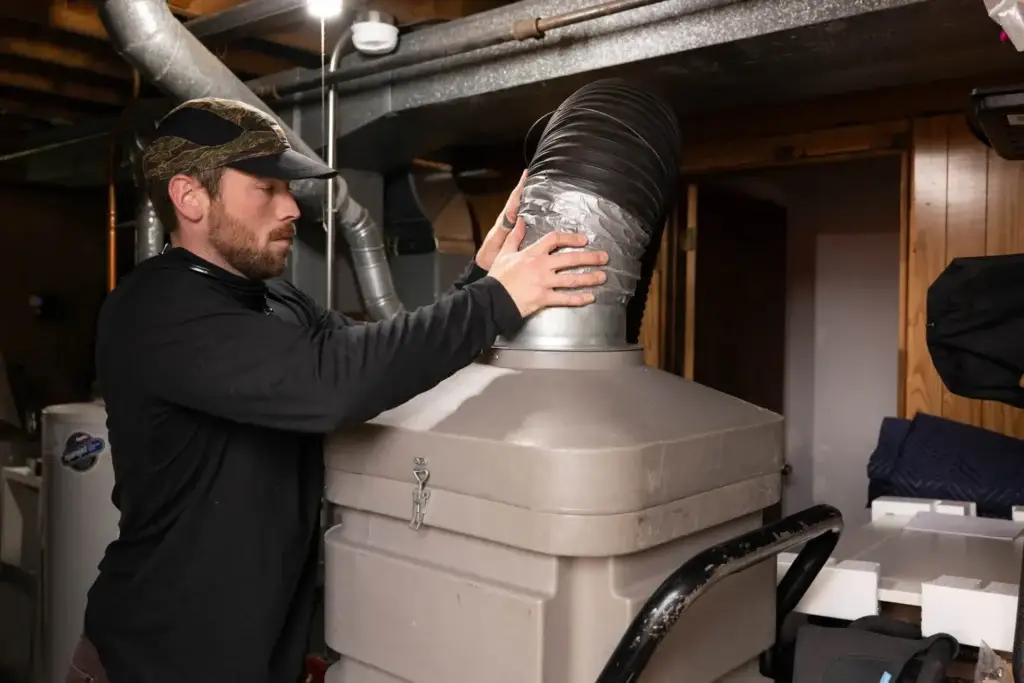
Air duct cleaning removes dust, lint, and biological buildup from your HVAC system. Many homeowners wonder if it’s worth the cost. This guide explains the EPA’s 2025 “as‑needed” guidance, when cleaning truly delivers benefits, how it affects air quality and efficiency, regional costs, and tips to avoid scams. For North Shore MA homeowners, we also explain how a local provider like Kealey’s documents results and what to expect from a professional quote.
What Does the EPA Really Say About Air Duct Cleaning in 2025?
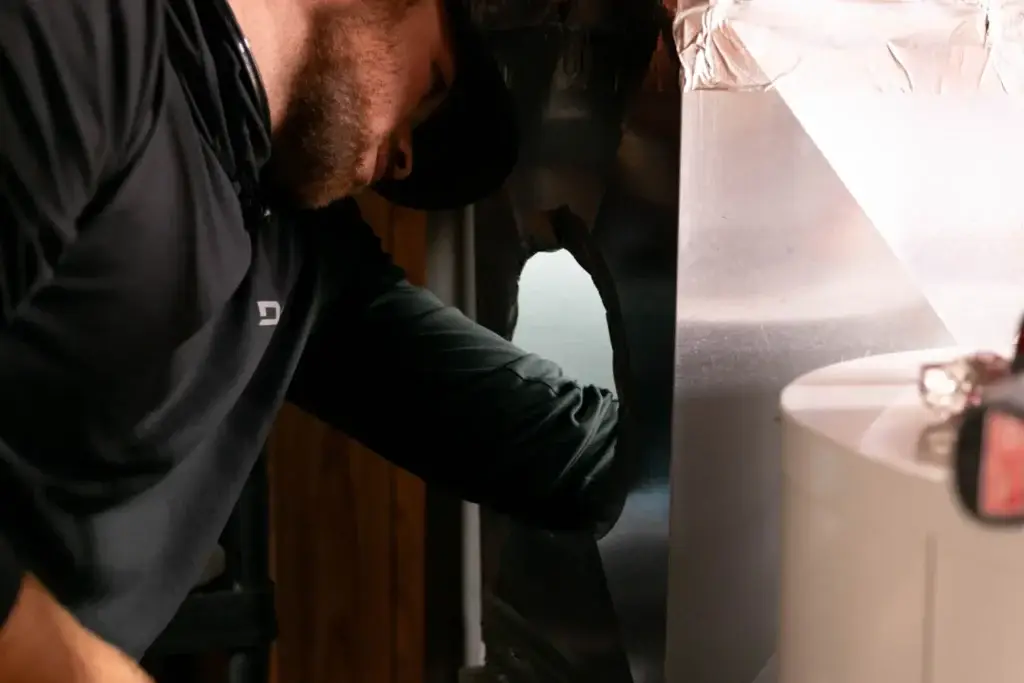
As of 2025, the EPA maintains an “as‑needed” stance: routine, calendar‑based duct cleaning isn’t recommended for every home. Instead, cleaning is advised when there’s clear evidence of contamination or system compromise — such as visible mold, pest infestations, or heavy debris. This issue‑driven approach helps homeowners prioritize inspections and targeted fixes over automatic annual service.
What Is the EPA’s Official Stance on Routine vs. As-Needed Air Duct Cleaning?
The EPA advises against routine, scheduled cleaning. They recommend cleaning only when objective signs exist, such as visible mold, pest droppings, or heavy debris shedding from registers. Industry groups like NADCA often suggest inspection-led intervals, but the EPA warns against blanket claims that routine cleaning improves health. Homes with pets, smokers, or allergy sufferers may inspect more often, but inspection results should always determine if cleaning is necessary.
When Does the EPA Recommend Air Duct Cleaning?
The EPA recommends cleaning when clear signs show ducts or HVAC components are contaminated and could affect system performance or occupant health. Typical triggers include visible mold growth, evidence of rodents or insects, and large amounts of dust or debris actively coming from supply registers. Post‑construction or renovation dust, or any situation where air looks or smells compromised, also justifies cleaning. When these conditions appear, arrange a professional inspection to document the problem for targeted remediation.
- EPA triggers for cleaning: visible mold, pest infestation, and heavy debris at registers.
- Post‑construction contamination and active particle emissions from vents are also valid reasons.
- Objective inspection with photographic documentation — before and after — is essential to validate need and results.
What Are the Real Benefits of Air Duct Cleaning for Homeowners?
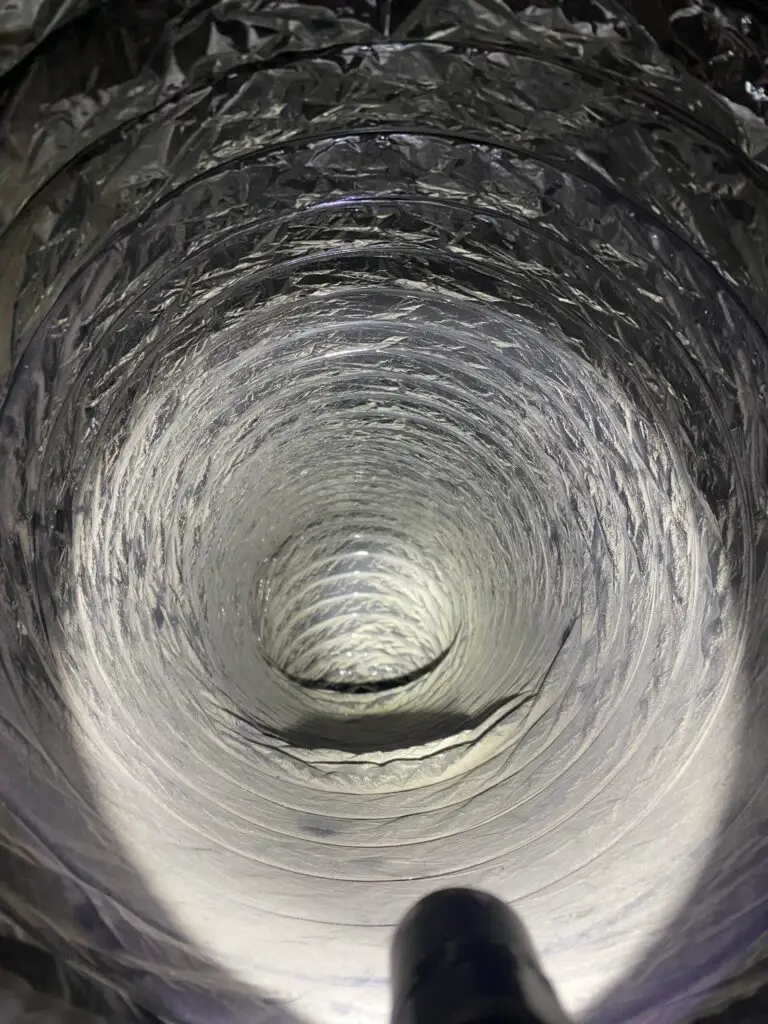
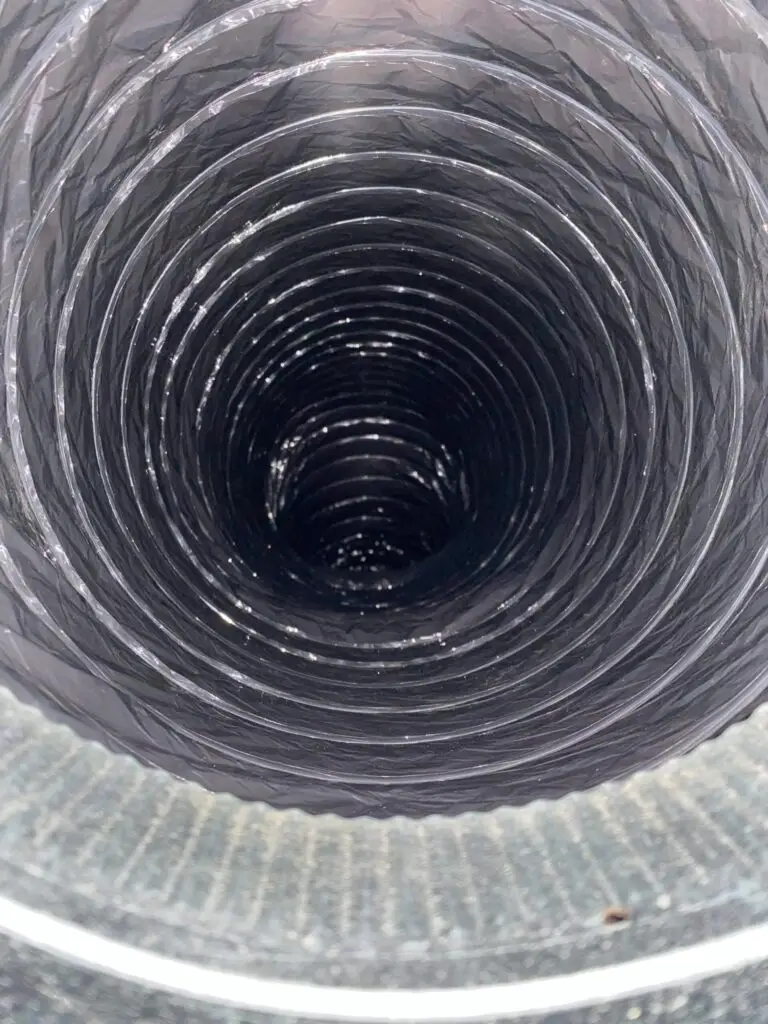
When done for verified problems, air duct cleaning offers real benefits. It reduces dust and allergens, controls odors, and can improve airflow. Removing lint, pet dander, and settled dust means less material recirculates, potentially easing allergies and improving system performance. If deposits restrict passages or the blower assembly is dirty, cleaning these components can restore designed airflow.
| Benefit Category | Mechanism | Expected Outcome |
|---|---|---|
| Indoor Air Quality | Remove settled dust, pollen, pet dander, and some mold spores from duct surfaces | Less visible dust at registers and a potential drop in airborne particulates; supports allergy management |
| HVAC Efficiency | Lower static pressure by removing debris; clean blower and coils when included | Restored airflow, possible energy savings, and improved system responsiveness |
| Odor & Hygiene | Eliminate odor‑holding residues and biological debris | Noticeable odor reduction and fresher perceived air |
How Does Air Duct Cleaning Improve Indoor Air Quality and Health?
Cleaning improves indoor air quality by removing settled allergens like dust mite fragments, pet dander, pollen, and some mold spores from ducts. This can reduce airborne particulates and improve dust patterns and odors. However, duct cleaning is one tool in a broader indoor air quality plan that also includes filtration upgrades and humidity management. Expect improvements in dust and odors; severe asthma or significant mold exposure may still need medical advice or specialized remediation.
Can Air Duct Cleaning Enhance HVAC Efficiency and Save Energy?
Yes, if debris significantly restricts airflow or components like the blower and coils are dirty, professional cleaning can improve airflow and allow the HVAC to run more efficiently. Removing deposits reduces the energy required to move air. Measurable savings depend on the contamination level and whether filters and coils are also addressed. The most reliable energy value comes from cleaning that targets restrictive deposits and is verified with pre/post airflow checks.
What Are the Signs You Need Professional Air Duct Cleaning?
Call a professional when you see clear signs of contamination affecting air quality, system operation, or safety. This includes visible mold, unusual odors, worsening allergies, or reduced airflow. An inspection with photos from register openings and the air handler will document the problem and help rule out other causes.
- Visible mold inside vent openings or on HVAC components: Visible growth needs evaluation and targeted remediation.
- Persistent musty or burnt odors from vents: Odors that continue after filter changes may indicate internal contamination.
- Rodent droppings, insect debris, or nest material in registers: Pest evidence in ducts requires cleanup and pest control.
- Worsening allergy symptoms tied to HVAC operation: New or escalating symptoms when the system runs suggest particulate release.
Use this checklist as an action plan and as prep for the inspection you’ll ask a contractor to perform.
What Visible Signs Indicate Dirty or Contaminated Air Ducts?
Look for dust trails around registers, dark streaking at supply outlets, or lint and debris visible at openings — photograph anything you find. Inspect registers by removing the faceplate, shining a flashlight into the opening, and taking photos of buildup. Heavy lint at dryer vents, excessive dust at returns, or deposits visible at several registers often mean deeper accumulation inside runs. Good documentation speeds accurate quoting.
How Do Allergy Symptoms and Pest Infestations Signal the Need for Cleaning?
If allergy symptoms worsen when the HVAC runs (sneezing, itchy eyes, or breathing irritation), particulate release from duct interiors may be the cause, warranting an inspection. Signs of pests, such as droppings inside registers or chewed insulation, mean both contamination and a breach of system integrity; cleanup plus pest remediation is usually needed. These situations are higher priority due to hygiene, odor risks, and allergen spikes. Document symptoms and any pest evidence, then schedule an inspection that includes photos before planning remediation.
How Much Does Air Duct Cleaning Cost in 2025 and What Affects Pricing?
Costs in 2025 vary because quotes reflect system complexity, contamination extent, and regional labor. Providers typically price by home size, number of supply and return registers, accessibility to duct runs and the air handler, and complicating factors like mold or pest remediation. The table below breaks down core cost drivers and how each attribute affects a professional quote.
| Cost Driver | Attribute | Impact on Quote |
|---|---|---|
| Home Size / Duct Runs | Square footage and number of branches | More runs increase labor and time; higher quote |
| Accessibility | Attic/plenum access and register visibility | Difficult access requires extra labor or openings, raising cost |
| Contamination Level | Presence of mold, pests, heavy debris | Requires specialized remediation and containment; increases price |
| Additional Services | Blower/coil cleaning, dryer vent work, repairs | Adds to scope and cost but may be required for measurable benefit |
What Is the Average Cost of Air Duct Cleaning in Massachusetts and Nearby Areas?
Regional averages for 2025 reflect local labor and service patterns in Massachusetts, southern New Hampshire, and coastal Maine. Treat quoted ranges as starting points, but always compare multiple local quotes. Ensure they include an inspection, photographic documentation, and a clear scope. A good quote lists the components to be cleaned, estimated time, any add‑on services (blower, coil, dryer vent), and whether post‑clean verification is included. Ask for an itemized scope to avoid surprises and make side‑by‑side comparisons easier.
How Can Homeowners Avoid Air Duct Cleaning Scams?
Scams often start with unrealistically low prices, pressure to accept unnecessary add‑ons, or surface‑level cleaning that leaves the real issues untouched. A careful vetting process helps homeowners find reputable providers and avoid common traps.
- Watch for red flags: extremely low upfront prices, high‑pressure upsells, and no on‑site inspection.
- Require photo documentation, an itemized scope, and clear post‑clean verification steps.
- Prefer local providers who show before/after images and explain their engineer‑designed equipment and process.
What Are Common Air Duct Cleaning Scam Tactics to Watch For?
Scammers often advertise a bargain price to get you to book, then pressure you into costly add‑ons once they’re onsite, or they only clean registers while leaving the duct interiors untouched. Other warning signs: no written scope, refusal to provide before/after photos, no inspection, or demands for full payment before verification. Insist on an inspection, documentation, and a clear written contract to reduce the risk of being scammed.
How Do You Choose a Reputable Air Duct Cleaning Service Like Kealey’s?
Pick a reputable provider by asking for inspection photos, a written scope listing components to be cleaned, explanations of equipment and verification methods, and local references or project photos. Kealeys Duct and Dryer Cleaning documents inspections with before‑and‑after photos, uses engineer‑designed equipment, and offers transparent pricing plus a satisfaction guarantee in the North Shore MA area. Ask whether the blower and coils will be inspected and whether dryer vents are included so you can compare providers by scope rather than price alone.
What Makes Kealey’s Air Duct Cleaning Process Different and Effective?
Kealey’s Duct and Dryer Cleaning Service uses an engineer‑designed, three‑step approach: inspection, mechanical cleaning with purpose‑built equipment, and verification with photographic proof and a customer walkthrough. This process targets contaminants in duct interiors, restricted airflow from debris, and dryer vent fire risks. As a family‑owned North Shore MA business, Kealey’s documents results and focuses on safety and efficiency.
| Process Phase | Action | Measurable Outcome |
|---|---|---|
| Inspection | Photographic documentation and visual assessment of ducts, registers, and air handler | Clear baseline photos and a defined scope for an accurate quote |
| Cleaning | Mechanical agitation and negative‑pressure extraction with engineered equipment | Visible debris removal and reduced particulate shedding |
| Verification | Post‑clean photos and customer walkthrough; operational airflow checks | Visual proof and performance confirmation for homeowner confidence |
How Do Before and After Visuals Demonstrate Our Superior Cleaning Results?
Before‑and‑after photos provide objective evidence of dirt removal from registers, duct interiors, and the blower assembly. Useful images include register interiors, accessible trunking sections, and the air handler area, taken with consistent lighting and angles for direct comparison. Combined with a written scope and post‑clean verification, these visuals let homeowners see exactly what changed and confirm the cleaning addressed the documented issues. Kealey’s emphasis on visual proof and clear documentation helps homeowners evaluate workmanship and ensures the cleaning delivered the expected outcome.
For homeowners in Salisbury and the North Shore MA region who want inspection‑driven, documented cleaning, Kealey’s Duct and Dryer Cleaning Service offers local expertise, engineer‑focused equipment, and before/after proofing. If you’d like a free, inspection‑based quote with photographic documentation to compare scope and outcomes, call Kealey’s at +19789614513 to request an on‑site inspection and a documented estimate. Their local, family‑owned approach follows EPA guidance: we clean when evidence shows it’s needed, prioritizing safety (including dryer vent fire prevention), HVAC efficiency, and transparent pricing.
Frequently Asked Questions
1. How often should I have my air ducts inspected?
The EPA doesn’t set a strict cleaning schedule. We recommend inspection every few years for many homes, and sooner if you have pets, smokers, recent renovations, or allergy concerns. Let inspection results guide any cleaning decisions.
2. Can air duct cleaning help with allergies?
Yes — when ducts contain settled allergens like dust, pet dander, or some mold spores, cleaning can reduce the reservoir of material that becomes airborne and may lower episodic allergy triggers. Cleaning is most effective as part of a broader plan that includes good filtration and humidity control.
3. What should I look for in a reputable air duct cleaning service?
Choose companies that perform thorough inspections, provide clear documentation and itemized quotes, and show before/after photos. Ask about their equipment and verification methods, request references, and prefer providers who follow industry guidelines such as NADCA standards.
4. Are there any health risks associated with air duct cleaning?
When done correctly, duct cleaning is generally safe. Poor techniques can temporarily increase airborne dust, so hire trained professionals who use proper containment and extraction methods. If mold or pests are present, ensure the provider addresses those issues correctly to avoid making health problems worse.
5. How can I tell if my air ducts are dirty?
Look for visible dust around vents, unusual odors when the system runs, or increased allergy symptoms tied to HVAC operation. If dust reappears soon after cleaning or you see buildup inside registers with a flashlight, those are signs ducts may need attention.
6. What is the difference between air duct cleaning and HVAC maintenance?
Air duct cleaning removes contaminants from ducts and vents. HVAC maintenance covers filter changes, coil inspection and cleaning, lubrication, and general system checks. Regular maintenance reduces the chance you’ll need duct cleaning and keeps the system running efficiently.
Conclusion
Air duct cleaning can improve indoor air quality, restore airflow, and reduce odors when it’s driven by documented need. Understand the EPA’s as‑needed guidance, watch for clear signs that require a pro, and choose a local, transparent provider who documents results. For North Shore MA homeowners, Kealey’s offers inspection‑based quotes, photographic proof, and engineer‑focused equipment to make sure cleaning is done only where it delivers measurable value. Schedule an inspection to get a documented estimate and see whether cleaning will benefit your home.