Spring Allergies in New England: Is Your HVAC Making Symptoms Worse?
How HVAC Systems Worsen Spring Allergies in New England
As spring arrives in New England, many residents find themselves battling seasonal allergies triggered by pollen, mold spores, and dust mites. The HVAC system in your home plays a crucial role in managing indoor air quality, which can significantly affect allergy symptoms. Understanding how your HVAC system interacts with allergens can help you take proactive steps to improve your indoor environment. This article will explore the impact of dirty air ducts, strategies for enhancing indoor air quality, and the specific allergens that accumulate in HVAC systems during the spring season. By implementing effective HVAC maintenance practices, you can alleviate allergy symptoms and create a healthier living space.
Impact of Dirty Air Ducts on Allergy Symptoms:
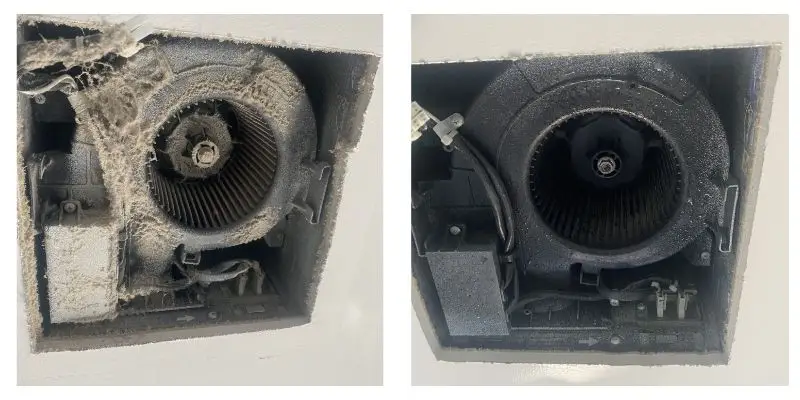
Dirty air ducts can exacerbate allergy symptoms by accumulating various allergens that circulate throughout your home. When air ducts are not cleaned regularly, they can trap dust, pollen, and mold spores, leading to poor indoor air quality. This accumulation increases exposure to allergens, which can worsen respiratory problems and trigger allergy attacks. Regular cleaning of air ducts is essential for minimizing allergens and improving overall air quality, making it a critical step for allergy sufferers. For more information, see our insights from the EPA on when to clean air ducts.
Strategies for Enhancing Indoor Air Quality:
Improving indoor air quality is vital for reducing allergy symptoms. Here are several effective strategies to enhance the air quality in your home:
- Professional Air Duct Cleaning: Regular professional cleaning removes settled allergens and improves air quality, reducing respiratory issues.
- Filtration Upgrades: Upgrading to higher MERV-rated filters can capture smaller particles, enhancing the effectiveness of your HVAC system.
- Humidity Management: Maintaining optimal humidity levels prevents mold growth, which can thrive in damp conditions and worsen allergies.
- Regular Inspections: Scheduling regular HVAC inspections helps identify issues affecting air quality and allows for proactive maintenance.
- Address Allergens: For homes with pets or allergy sufferers, more frequent cleaning and the use of air purifiers can provide additional support.
Professional Air Duct Cleaning:
Professional air duct cleaning is crucial for maintaining a healthy indoor environment. Studies show that regular cleaning can remove a significant percentage of allergens from air ducts, significantly improving air quality. This process not only enhances the efficiency of your HVAC system but also reduces the risk of respiratory issues associated with poor air quality. Learn more about mold detection and safe removal in air ducts.
Filtration Upgrades:
Upgrading your HVAC filters is another effective strategy for improving indoor air quality. Filters with higher MERV ratings can capture smaller particles, including pollen and dust mites, which are common allergens. Regularly changing these filters is essential to ensure they function effectively and maintain optimal air quality.
Studies confirm that upgrading your home’s air filtration system can significantly contribute to allergy relief.
HVAC Air Filtration for Allergy Relief
Air filtration is frequently recommended as a component of environmental control measures for patients with allergic respiratory disease. Residential air filtration can be provided by whole house filtration via the home’s heating, ventilation, or air conditioning system, by portable room air cleaners, or a combination of the two. High-efficiency whole house filtration, high-efficiency particulate air sleep zone air filtration, and high-efficiency particulate air room air cleaners all appear to provide various degrees of benefit.
Effectiveness of air filters and air cleaners in allergic respiratory diseases: a review of the recent literature, 2011
Humidity Management:
Humidity levels play a significant role in indoor air quality. Maintaining humidity between 30% and 50% can prevent mold growth and improve comfort. Using dehumidifiers in damp areas of your home can help manage humidity levels effectively, reducing the likelihood of mold and dust mite proliferation. For tips on managing winter air quality problems, visit this resource.
Regular Inspections:
Regular HVAC inspections are vital for identifying potential issues that could affect air quality. These inspections should cover the entire system, including ductwork, filters, and components. Proactive maintenance can prevent larger problems and ensure your HVAC system operates efficiently.
Address Allergens:
For households with pets or allergy sufferers, tailored cleaning and maintenance strategies are essential. More frequent cleaning, including vacuuming with HEPA filters, can help reduce allergen levels. Additionally, considering the use of air purifiers in common areas can provide extra support in managing indoor allergens.
How Does Your HVAC System Contribute to Allergen Buildup During New England’s Spring?
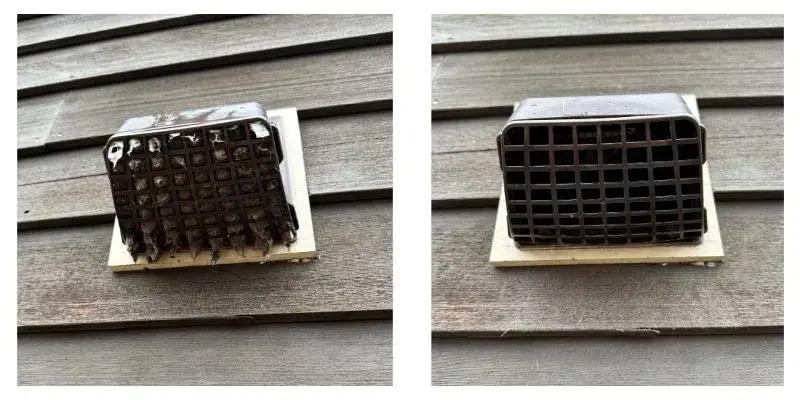
Your HVAC system can contribute to allergen buildup in several ways. Air ducts can accumulate various allergens, including pollen and mold spores, especially during the spring when these particles are prevalent in the environment. Poor ventilation can trap pollutants indoors, exacerbating allergy symptoms. Additionally, moisture in the system can promote mold growth, further complicating indoor air quality.
What Types of Allergens Accumulate in HVAC Systems in Spring?
During spring, several common allergens can accumulate in HVAC systems, including:
- Pollen: From blooming plants, pollen is a significant trigger for seasonal allergies.
- Dust Mites: These tiny creatures thrive in warm environments and can be found in bedding, carpets, and upholstery.
- Mold Spores: Mold can grow in damp areas of your HVAC system, especially if humidity levels are not properly managed.
How Do HVAC Components Facilitate Indoor Pollen and Mold Spore Circulation?
HVAC components can facilitate the circulation of indoor pollen and mold spores. When the system operates, accumulated allergens in the ducts can be released into the air, leading to increased exposure for occupants. Proper humidity control is crucial for preventing mold growth, which can exacerbate allergy symptoms.
What Are the Benefits of HVAC Duct Cleaning for Spring Allergy Relief?
HVAC duct cleaning offers several benefits for allergy sufferers. It significantly improves indoor air quality by removing accumulated allergens, which can lead to a reduction in allergy symptoms. Cleaner ducts also enhance the efficiency of your HVAC system, ensuring it operates effectively and provides a comfortable indoor environment. Discover the health benefits of cleaner air ducts for your family.
How Does Duct Cleaning Reduce Allergens Like Pollen and Dust Mites?
Professional duct cleaning removes accumulated pollutants, including pollen and dust mites, from your HVAC system. This process leads to cleaner air circulating throughout your home, resulting in fresher air and a healthier living environment. Regular cleaning is essential for maintaining low allergen levels and improving overall air quality. Learn more about signs your air ducts need cleaning.
How Often Should You Schedule Duct Cleaning During New England’s Allergy Season?
It is recommended to schedule duct cleaning every 3-5 years for most homes. However, homes with pets or allergy sufferers may benefit from more frequent cleaning to manage allergen levels effectively. Regular maintenance ensures that your HVAC system remains efficient and that indoor air quality is optimized.
Which HVAC Filters Are Most Effective at Capturing Spring Allergens?
Filters with higher MERV ratings are most effective at capturing spring allergens. These filters can trap smaller particles, including pollen and dust mites, which are prevalent during the allergy season. Regularly changing these filters is essential to maintain their effectiveness and ensure optimal air quality.
What Are MERV Ratings and How Do They Affect Allergen Capture?
MERV ratings indicate the effectiveness of HVAC filters in capturing airborne particles. Higher MERV ratings correspond to better filtration capabilities, allowing the filter to capture smaller allergens. Understanding MERV ratings can help homeowners select the right filters for their HVAC systems, improving indoor air quality.
What HVAC Maintenance Practices Improve Indoor Air Quality During Allergy Season?
Several HVAC maintenance practices can improve indoor air quality during allergy season:
- Regular Duct Cleaning: Essential for removing accumulated allergens.
- Frequent Filter Changes: Ensures filters remain effective in capturing allergens.
- Humidity Control: Maintaining optimal humidity levels prevents mold growth.
How Does Regular HVAC Maintenance Help Alleviate Allergy Symptoms?
Regular HVAC maintenance helps alleviate allergy symptoms by ensuring that the system operates efficiently and effectively. Proactive measures, such as cleaning and inspections, can prevent larger issues that may compromise indoor air quality. This maintenance is crucial for creating a healthier living environment for allergy sufferers.
What Practical Tips Can Homeowners Use for Allergy Relief Indoors?
Homeowners can implement several practical tips for indoor allergy relief:
- Use Air Purifiers: Place air purifiers in common areas to reduce allergen levels.
- Keep Windows Closed: During high pollen days, keeping windows closed can prevent outdoor allergens from entering.
- Regular Cleaning: Frequent cleaning of surfaces and carpets can help minimize dust and allergens.
What Are the Unique Allergy Triggers in New England’s Spring and How Do They Interact with HVAC Systems?
New England’s spring brings unique allergy triggers, including regional pollen profiles that can significantly affect indoor air quality. HVAC systems can exacerbate allergen circulation, making it essential for homeowners to understand how to manage these triggers effectively. For answers to common questions, visit our FAQ page.
How Do New England’s Pollen and Mold Profiles Affect Indoor Air Quality?
Seasonal changes in New England influence allergen levels, with increased pollen and mold growth during the spring. These factors can lead to poor indoor air quality, making it crucial for homeowners to implement effective HVAC maintenance practices to mitigate their impact.
How Can HVAC Design Flaws Increase Allergen Accumulation in This Region?
HVAC design flaws can trap allergens within the system, leading to increased accumulation over time. Poorly designed systems may not allow for adequate airflow, which can exacerbate allergen buildup. Regular maintenance and inspections can help identify and address these design flaws, improving overall air quality.
Ready to Improve Your Indoor Air Quality?
Don’t let spring allergies control your comfort. Contact us today to schedule professional HVAC and air duct cleaning services that can help reduce allergens and improve your home’s air quality. Contact Us